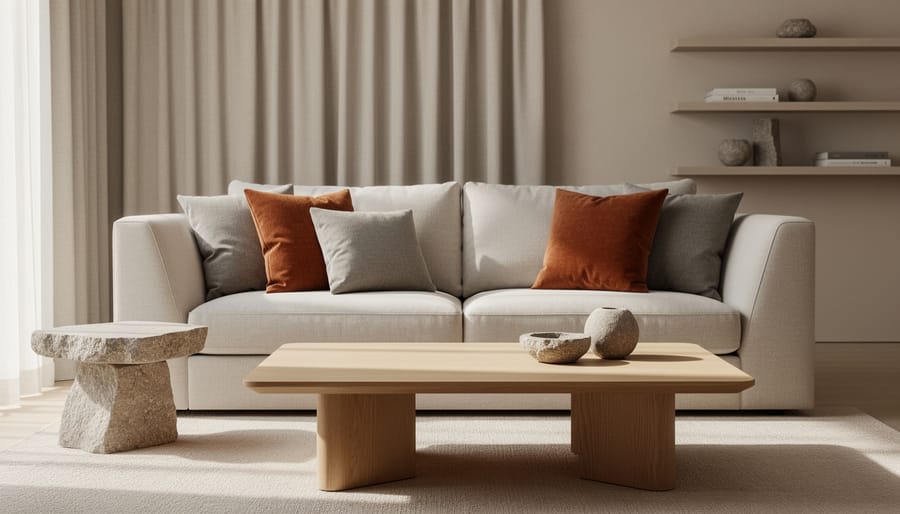
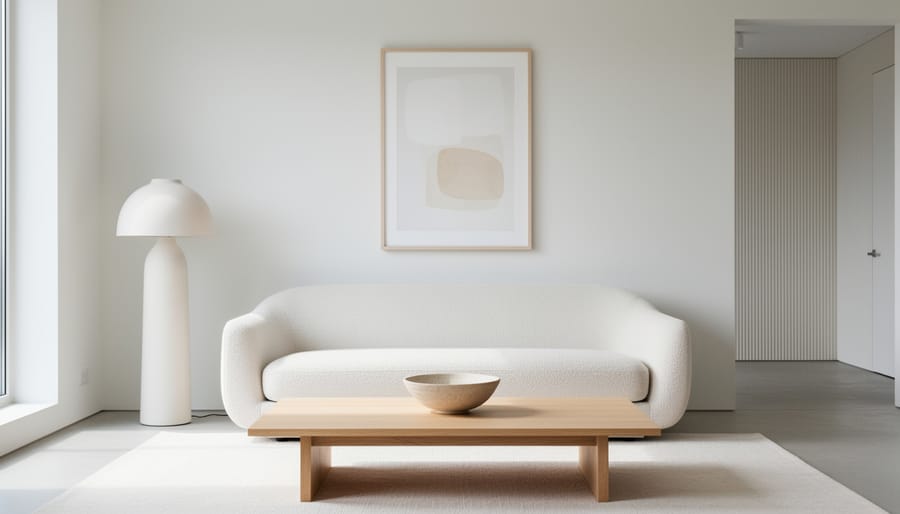
Minimalist home decor transforms cluttered spaces into calm, functional environments by stripping away excess furniture, ornaments, and visual noise while keeping only what serves a clear purpose or brings genuine joy. This design philosophy centers on clean lines, neutral color palettes, and intentional negative space, creating rooms that feel larger, more peaceful, and easier to maintain than traditional decorating approaches.
The appeal lies in both aesthetics and lifestyle benefits. Rooms designed with minimalist principles typically feature a curated selection of high-quality pieces rather than numerous items competing for attention. A living room might hold a single sculptural sofa, one statement lamp, and a few carefully chosen art pieces instead of layered accessories on every surface. The result feels deliberate rather than sparse, sophisticated rather than cold.
Understanding what minimalism actually means for your home helps cut through common misconceptions. This approach doesn’t demand white walls and empty countertops. Instead, it asks you to edit thoughtfully, keeping the furniture and decor that truly matters while removing what doesn’t. You’ll find yourself choosing a beautiful handcrafted bowl over three mass-produced vases, or investing in one plush area rug instead of scattering small mats throughout a room.
The practical implementation varies by space. Bedrooms benefit from streamlined storage solutions and uncluttered nightstands. Kitchens embrace concealed organization and display only essentials. Living areas balance comfortable seating with open floor space that lets the eye rest.
Whether you’re drawn to minimalism for its visual serenity, easier cleaning routines, or the mental clarity that organized spaces provide, the transition requires strategy rather than sudden purging. The following sections break down room-by-room tactics, show you how to personalize minimalist spaces without losing the core benefits, and connect you with resources to refine your approach as your style evolves.
The Core Philosophy: What Minimalist Home Decor Really Means
Minimalist home decor isn’t about living in a gallery or depriving yourself of comfort. At its heart, this design philosophy centers on intentionality, making conscious choices about what enters your space and why it deserves to be there. Every piece serves a purpose, whether functional, emotional, or aesthetic, creating rooms that breathe rather than overwhelm.
Minimalism in design means creating space for what truly matters by removing everything that doesn’t.
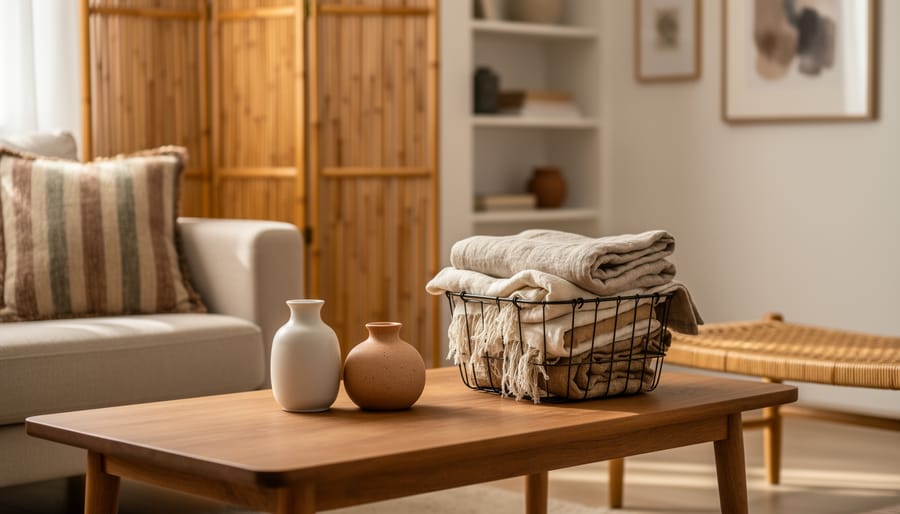
The common misconception paints minimalist interiors as cold, sterile environments stripped of personality. That vision misses the point entirely. True minimalist design embraces warmth through carefully selected materials, meaningful objects, and thoughtful arrangements that reflect who you are. A handwoven throw draped over a linen sofa, a single piece of art that stops you in your tracks, a vintage wooden bowl on a bare countertop, these choices speak volumes precisely because they aren’t competing with visual noise.
Quality trumps quantity in every decision. Rather than filling shelves with forgettable tchotchkes, minimalist homes feature fewer pieces chosen for their craftsmanship, durability, and genuine connection to the space. That might mean investing in a dining table built to last decades instead of replacing cheap furniture every few years. It could involve curating a small collection of pottery you actually use rather than stacking cabinets with mismatched dishes that rarely see daylight.
This approach creates physical and mental breathing room. When surfaces aren’t cluttered and rooms aren’t overstuffed, your eye travels freely across the space. You notice the play of light on textured walls, appreciate the grain in that oak credenza, feel the calm that comes from visual simplicity. The negative space becomes as important as what fills it.
Minimalism also means embracing imperfection and lived-in beauty. A well-worn leather chair gains character over time. Natural linen wrinkles authentically. These elements prevent spaces from feeling like showrooms nobody actually inhabits. The goal isn’t perfection but intentionality, rooms that function beautifully for your real life while eliminating the excess that drains energy and attention. When you strip away what doesn’t matter, what remains becomes more meaningful, more visible, more yours.
Essential Elements of Minimalist Interiors
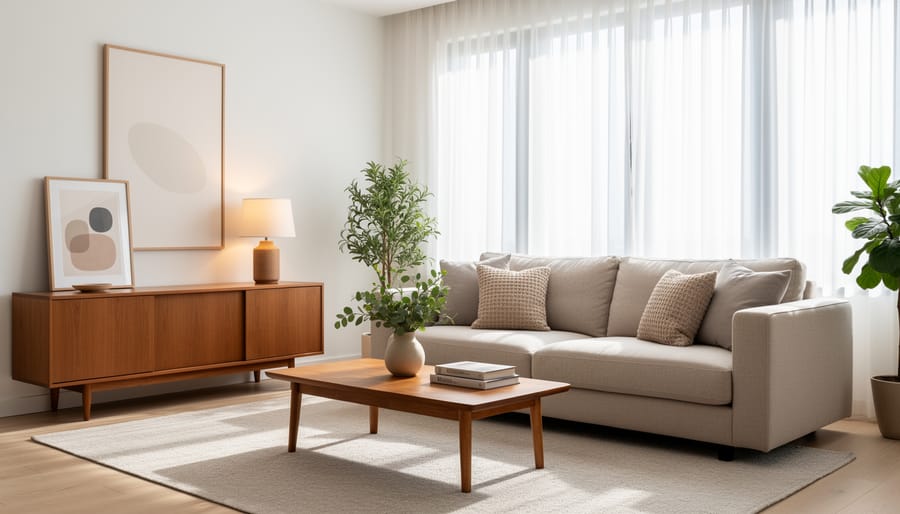
Color Palettes That Create Calm
The foundation of minimalist calm begins with a thoughtfully restrained color palette. Soft whites, warm grays, and gentle beiges create expansive backdrops that make rooms feel larger and more open. These neutrals aren’t about sterility, they’re about giving your eyes places to rest. Consider how a creamy off-white differs from stark white: one invites you in, the other feels clinical.
Monochromatic schemes take this further by layering varying shades of a single color family. A living room might flow from pale sand walls to taupe upholstery to charcoal accents, creating visual coherence without monotony. This approach works because it eliminates jarring color shifts that fragment space.
Strategic accent colors prevent blandness without compromising tranquility. A single terracotta vase, sage green throw pillow, or muted navy artwork provides just enough interest. The key is restraint: choose one or two accent hues and use them sparingly throughout the space rather than introducing multiple competing colors.
Natural tones ground minimalist palettes in warmth. Honey-toned wood, linen beige, and soft stone gray connect spaces to organic elements while maintaining the clean aesthetic. These earth-inspired colors prevent the cold institutional feel that gives minimalism its unfair reputation, proving that simplicity and warmth coexist beautifully.
Furniture Selection: Quality and Function First
In minimalist interiors, every piece of furniture earns its place through purpose and presence. The sofa anchoring your living room shouldn’t just look clean-lined, it needs to provide genuine comfort for daily use, support conversation, and possibly convert into guest sleeping space. A dining table might extend for gatherings, then collapse for everyday meals. This dual-minded approach to selection prevents the accumulation of single-purpose items that clutter minimalist ideals.
When evaluating potential pieces, prioritize these qualities:
- Visible craftsmanship in joints, finishes, and construction details
- Neutral or natural materials that age gracefully rather than date quickly
- Proportions that suit your specific room dimensions, not showroom floors
- Storage solutions integrated seamlessly into the design
- Silhouettes free from excessive ornamentation or trendy embellishments
Scale matters enormously in spare spaces where each piece stands more exposed. A bulky sectional overwhelms a modest room regardless of its clean lines, while furniture that’s too delicate feels lost in a generous space. Before purchasing, measure your room’s dimensions and the furniture itself, then visualize how much floor space remains visible. That breathing room between pieces creates the visual calm minimalism promises.
Strategic placement amplifies functionality. Float a sofa away from walls to define zones within open plans. Position a single statement chair where morning light pools, creating an intentional reading nook rather than filling every corner. The white space around each piece matters as much as the furniture itself.
Texture and Material Choices
The secret to minimalist design that feels inviting rather than sterile lies in thoughtful material selection and textural layering. Natural materials bring warmth and authenticity that pure white walls and sleek surfaces lack on their own.
Wood introduces organic character through grain patterns, color variation, and inherent imperfection. A solid oak dining table or walnut shelving anchors a room with earthy presence. Pair light woods like ash or maple with white walls for Scandinavian warmth, or choose darker walnut and teak for richer contrast.
Linen softens hard edges with its natural drape and subtle texture. Use it for curtains, upholstery, and bedding to create visual relief from smooth surfaces. Its slight irregularity and breathable quality add lived-in comfort without pattern or color complexity.
Stone surfaces deliver cool tactile weight that grounds a space. A marble countertop, limestone flooring, or travertine accent wall provides geological depth and timeless substance. The veining and natural variation tell their own story without additional decoration.
Metal elements, brushed brass fixtures, matte black hardware, stainless steel appliances, contribute reflective contrast and modern precision. They punctuate softer materials with geometric clarity.
Layer these materials within a single room: linen curtains against plaster walls, a wooden bench on stone floors, metal lighting above. This interplay creates sensory richness while maintaining the clean lines and uncluttered philosophy that define minimalist spaces. The materials themselves become the decoration.
The Power of Negative Space
In minimalist design, what you don’t include matters as much as what you do. Empty space isn’t wasted, it’s a deliberate design choice that allows your room to breathe and your carefully selected pieces to shine. When walls remain mostly bare and surfaces stay clear, the eye can rest instead of constantly seeking the next visual stimulus. This intentional emptiness creates a sense of calm that’s impossible to achieve in cluttered environments.
Think of negative space as the pause between musical notes. Without it, even beautiful elements blend into visual noise. A single sculptural vase on a console table commands attention precisely because nothing competes with it. That stretch of blank wall beside your sofa isn’t begging for artwork, it’s providing the visual relief that makes the room feel larger and more serene.
Flow matters too. Negative space creates pathways, both literal and visual, that guide movement through a room. When furniture floats slightly away from walls rather than hugging them, and when you resist filling every corner, you establish natural circulation patterns. People move more easily, light travels farther, and the entire space feels more open.
Start by removing one item from each surface, then live with that emptiness for a week. You’ll likely discover that less truly becomes more.
Room-by-Room Minimalist Transformation
Living Room Serenity
The living room anchors minimalist home design because it’s where life actually happens. Start by editing down to one sofa, two accent chairs maximum, and a single focal coffee table with clean geometry. Arrange seating to encourage conversation rather than television-watching, angled slightly inward, close enough for comfortable talking distance. This layout creates intimacy without clutter.
Surfaces tell the story of minimalist discipline. Limit coffee table displays to one sculptural object or a small stack of art books, nothing more. Side tables should hold a single lamp and perhaps a small plant. Every item earns its place through beauty or function, never just filling space.
Your statement piece might be an oversized abstract painting, a sculptural floor lamp, or an architectural shelving unit in natural wood. Choose one anchor element that draws the eye and let everything else recede. This creates visual hierarchy without competition.
Window treatments deserve careful thought, explore minimal curtain ideas that frame views without fuss. Floor-length linen panels in ivory or soft gray add warmth while maintaining clean lines. Skip ornate hardware for simple matte rods.
Leave breathing room between furniture pieces. That empty floor space isn’t wasted; it’s what makes the room feel serene rather than stuffed. When you can move freely and sight lines stay unobstructed, you’ve achieved living room minimalism that actually works for daily life.
Bedroom Retreats
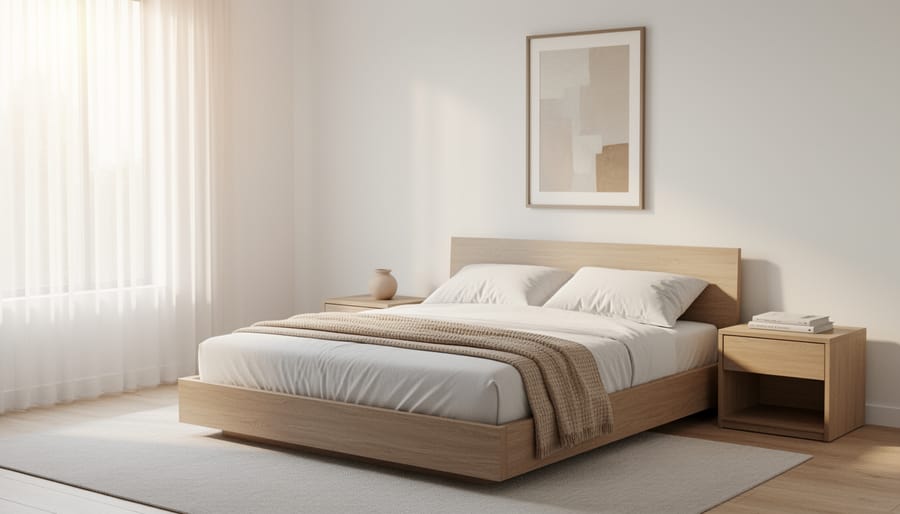
Your bedroom should function as a sanctuary from the day’s demands, and minimalist design excels at creating this essential refuge. Start with your bed as the room’s focal point, invest in quality bedding with clean lines and natural fibers like linen or organic cotton in soft, neutral tones. The tactile comfort of well-made sheets matters more than decorative pillows you’ll only toss aside each night.
Nightstands deserve careful consideration. Choose simple designs with one drawer or shelf for essentials, keeping surfaces clear except for a single lamp and perhaps one meaningful object. This prevents the visual clutter that disrupts sleep. Consider wall-mounted reading lights to free up nightstand space entirely.
Create calming atmospheres through thoughtful lighting layers, blackout window treatments for darkness, dimmable overhead fixtures for flexibility, and warm-toned task lighting for reading. Keep walls mostly bare or feature one piece of art that brings you peace. Store clothing behind closed doors rather than on open racks or chairs. The goal is removing every visual distraction between you and restful sleep, leaving only elements that actively support tranquility and recovery.
Kitchen and Dining Simplicity
Kitchens and dining areas pose the greatest minimalist challenge, these high-function zones accumulate appliances, cookware, and daily essentials faster than any other room. The solution lies in concealed storage that works as hard as you do. Install floor-to-ceiling cabinetry with handleless designs to create seamless visual flow, and dedicate specific zones for frequently-used items versus occasional pieces. Keep countertops ruthlessly clear except for one or two beautiful essentials like a wooden cutting board or ceramic fruit bowl that earn their visible placement through both function and form.
In dining spaces, choose a table with clean lines and chairs that tuck completely underneath when not in use. Skip the buffet overloaded with serving pieces, instead, store entertaining items in closed cabinets and bring them out only when needed. A single statement light fixture above the table provides focus without clutter, while open shelving (if you include it at all) should display only your most cohesive dishware or a carefully curated collection of glassware. The key is treating your kitchen and dining room like a gallery where every visible item justifies its presence through beauty, utility, or ideally both.
Bathroom Zen
The bathroom offers perhaps the purest opportunity for minimalist design, a daily retreat where clean lines and uncluttered surfaces directly enhance your well-being. Start with streamlined fixtures in matte black, brushed nickel, or chrome that make a statement through form rather than ornamentation. Wall-mounted vanities create visual lightness while simplifying floor cleaning, and frameless glass shower enclosures dissolve visual barriers to expand perceived space.
Hidden storage is non-negotiable in bathroom minimalism. Recessed medicine cabinets disappear into walls, while floating vanities with integrated drawers conceal toiletries behind smooth facades. Install shallow niches within shower walls for shampoo and soap rather than hanging caddies that interrupt clean tile lines. Under-sink organizers transform cabinet interiors into efficient systems where everything has a designated spot.
Curate what remains visible with intention. Display only daily essentials in matching containers, perhaps three ceramic jars for cotton swabs, bath salts, and soap. A single folded towel on an open shelf, a small plant, or one piece of art creates focal interest without clutter. Choose quality over quantity: one plush bath sheet beats a towel rack stuffed with mismatched linens. The result feels spa-like because it mirrors professional spaces where every element serves both function and tranquility.
Finding Inspiration and Resources for 2026
Translating minimalist principles from concept to reality requires quality visual references and exposure to current design thinking. The design landscape for 2026 offers exceptional opportunities to explore how leading professionals interpret simplicity and intentionality.
IDS Toronto 2026 stands as North America’s premier design event this spring, running April 17-19 at the Toronto Congress Centre (North Building, Halls H & I). With 38.5k+ attendees and 500+ exhibitors showcasing 150,000 square feet of design vision, the show presents an unparalleled opportunity to see minimalist principles applied across every room category. Presented by JennAir Canada, the event brings together manufacturers, designers, and enthusiasts exploring how clean lines and thoughtful curation create impactful spaces. Walking through curated vignettes reveals how professionals balance negative space with warmth, how streamlined kitchen faucet designs integrate into larger minimalist kitchens, and how hidden bathroom storage maintains visual calm without sacrificing function.
Beyond live events, building a personal inspiration library accelerates your design process. Decor SDA’s collection of 435 million high-definition images provides an exhaustive resource for visualizing minimalist applications across every space type. Search for specific elements like vanity mirror lighting that enhances bathroom serenity or bed storage solutions that keep bedrooms clutter-free, and you’ll find thousands of real-world examples showing how others solved similar challenges. This visual database lets you compare approaches, identify patterns in successful minimalist design, and develop your eye for what works.
The combination of tactile, in-person exposure at major shows and unlimited digital reference materials creates a comprehensive foundation for confident design decisions. You’re not working from guesswork but from proven applications you can adapt to your specific space and needs.
Common Mistakes to Avoid
The path to minimalist home decor is littered with well-intentioned missteps that transform potential sanctuaries into sterile showrooms. Understanding these common errors before you commit to them saves both money and disappointment.
The starkness trap catches most beginners. Stripping a room down to white walls, one sofa, and nothing else creates a cold, unwelcoming space that feels more like a waiting room than a home. True minimalism incorporates warmth through natural wood tones, soft textiles, and carefully chosen textures. A linen throw draped over your sofa, a jute rug underfoot, and warm oak shelving prevent that clinical feel while maintaining clean lines.
Sacrificing comfort for aesthetics ranks as the second most destructive mistake. That sculptural chair looks stunning in photos, but if you can’t sit in it for more than ten minutes without back pain, it fails the fundamental test of livable design. Minimalism should enhance your daily life, not make it uncomfortable. Choose pieces that serve you first and photograph well second. A plush, well-proportioned sofa in a neutral tone beats a hard-edged, uncomfortable statement piece every time.
Pros
- Intentional curation creates deeply personal spaces that reflect your true priorities and values.
- Quality foundational pieces in neutral tones provide flexibility as your style evolves over time.
- Embracing negative space and natural materials promotes calm, reduces visual stress, and improves daily function.
- Strategic editing of belongings forces you to keep only items that genuinely serve or bring joy.
Cons
- Removing all personality and collections makes spaces feel generic, like hotel rooms rather than homes.
- Inadequate storage planning leaves clutter with nowhere to go, undermining the entire aesthetic.
- Poor lighting choices create harsh shadows and cold atmospheres that feel uninviting.
- Going too stark eliminates comfort and warmth, sacrificing livability for an unattainable ideal.
Eliminating personality entirely misunderstands the assignment. Minimalism means curating, not erasing. Your grandmother’s ceramic vase, your collection of vintage travel posters, your partner’s guitar, these items tell your story. Display fewer things, but make those things count. Three meaningful pieces arranged thoughtfully on open shelving create more impact than twenty random objects cluttering every surface.
Lighting failures undermine even the most thoughtfully designed minimalist spaces. A single overhead fixture casts harsh shadows and flattens your carefully chosen textures. Layer your lighting with floor lamps for ambient glow, task lighting where you work or read, and picture lights to highlight your curated art. Warm bulbs (2700-3000K) prevent that sterile office feeling.
Storage neglect creates the quickest path to minimalist failure. Life generates stuff, mail, keys, seasonal items, hobby supplies. Without designated homes for these necessities, they accumulate on your pristine counters and floors, destroying the calm you worked to create. Built-in storage, concealed cabinets, and multipurpose furniture with hidden compartments maintain visual simplicity while handling real-world needs. Your minimalist space should make daily life easier, not force you into constant cleanup battles.
Making Minimalism Work for Your Lifestyle
Minimalism doesn’t demand perfection or a complete lifestyle overhaul. The most successful minimalist spaces accommodate real life while maintaining the clarity and calm that make this approach so appealing. Your version of minimalism should serve your daily routines, not restrict them.
If you live with children, embrace containment over elimination. Designate specific zones for toys and activities, using closed storage that conceals the visual chaos while keeping everything accessible. A minimalist living room can absolutely include a basket of building blocks or a small art station, the key is intentional boundaries rather than banishing childhood from shared spaces. Rotate toys seasonally, keeping only current favorites in circulation. When everything has a clear home, cleanup becomes faster and spaces reset to calm more easily.
Hobbies deserve space in minimalist homes, not exile to cluttered corners. Treat your activities with the same intentionality you apply to furniture selection. A dedicated reading nook with thoughtfully chosen shelving honors your passion for books without overwhelming a room. Craft supplies belong in organized, closed storage that you can access when needed and hide when you’re not working. The difference between clutter and minimalism often comes down to systems: defined homes, regular editing, and containing sprawl.
Meaningful collections add personality and warmth when displayed with purpose. Choose your absolute favorites and give them breathing room rather than crowding every surface. A single shelf of travel treasures or three framed family photos make stronger statements than twenty items competing for attention. Rotate displays seasonally so pieces stay fresh and nothing fades into background noise. Quality curation shows respect for both your possessions and your space.
Maintenance is where minimalism either thrives or fails. Build simple daily resets into your routine, five minutes returning items to their designated spots prevents accumulation. Review spaces monthly, removing anything that no longer serves you or brings joy. The beauty of minimalist living is that less stuff means less to clean, organize, and manage, freeing time for what actually matters.
Your minimalist home should reflect your priorities, not someone else’s rulebook. Flexibility and personalization make this design approach sustainable for the long term.
Minimalist home decor isn’t about stripping away everything you love or living in a cold, empty shell. It’s about making deliberate choices that honor your space, your peace of mind, and what genuinely adds value to your daily life. When you remove what doesn’t serve you, you create room for what does, whether that’s a cherished art piece, morning sunlight streaming across clean surfaces, or simply the mental clarity that comes from walking into an uncluttered room.
Start small. Choose one surface, one drawer, one corner. You don’t need to transform your entire home overnight or follow someone else’s rigid rulebook. Your version of minimalism should reflect your life, your needs, and your personality. Use the resources available to you: browse Decor SDA’s extensive image library for visual inspiration that resonates with your style, attend design events like IDS Toronto 2026 (April 17-19 at Toronto Congress Centre) to see how professionals interpret simplicity across 150,000 square feet of exhibits, and trust your instincts about what feels right in your space.
The spaces you live in shape how you feel, think, and move through the world. Reimagine yours with intention. Strip away the excess, keep what matters, and discover how much lighter, and richer, life feels when your home truly works for you.