Repository R (Volume 210) is a curated collection of 210 high-resolution interior design images, organized into thematic categories to help you find exactly the aesthetic, layout, or detail you need for your next project. Whether you’re sourcing inspiration for a client presentation, building a mood board, or studying how professionals layer texture and color, this volume delivers a cross-section of contemporary residential and commercial spaces that reflect current design thinking in 2026.
Each image in this repository has been selected for visual clarity, compositional strength, and practical relevance. You won’t find filler shots or redundant angles. Instead, the collection prioritizes spaces that demonstrate clear design principles: how natural light transforms a room, the impact of a single statement piece, or the way materiality creates atmosphere. The images span living rooms, kitchens, bedrooms, bathrooms, and workspace environments, with subcategories that drill down into lighting strategies, furniture arrangements, and finish pairings.
This volume serves multiple purposes. Designers can reference specific solutions to common spatial challenges. Enthusiasts and DIYers gain access to professionally photographed examples that illustrate why certain choices work. The repository functions as both a teaching tool and a source of creative fuel, helping you articulate ideas to clients or contractors with visual precision.
You’ll get the most from Repository R by treating it as a working library rather than a passive scroll. Study the details, note recurring strategies, and consider how individual elements might translate to your own projects. The volume is structured to support both broad browsing and targeted searches, so you can move fluidly between inspiration and application.
How We Curated These 210 Images
Selecting 210 images from a library containing 435 million options requires a rigorous, multi-layered approach. We didn’t simply grab the first visually appealing photos we encountered. Instead, our curation team applied systematic criteria to ensure Repository R Volume 210 delivers genuine value to both working designers and design enthusiasts seeking inspiration and professional growth.
Our selection process focused on these core principles:
- Visual impact: Images must demonstrate exceptional composition, lighting, and photographic quality that immediately capture attention
- 2026 trend relevance: Spaces showcasing current color palettes, material innovations, and design directions shaping the industry now
- Style diversity: Balanced representation across minimalist, maximalist, transitional, sustainable, and luxury aesthetics to serve varied client preferences
- Professional utility: Images useful for mood boards, client presentations, and portfolio development with clear design lessons to extract
- Educational value: Spaces demonstrating specific techniques, spatial solutions, or material applications that designers can study and adapt
- Authentic representation: Real, achievable interiors rather than overly staged or digitally manipulated spaces that feel disconnected from practical design work
Each image underwent review by experienced interior designers who evaluated whether it offered something genuinely instructive or inspirational. We prioritized photos that reveal thoughtful design decisions, how color transitions between rooms, how furniture scale relates to architectural features, how lighting layers create ambiance. Unlike Volume 320 which emphasizes global design perspectives, this volume zeroes in on contemporary Western aesthetics with universal application.
The result is a tightly curated collection where every image earns its place through demonstrated design merit, not just surface-level attractiveness.
The 210 Images: Organized by Design Category
1. Modern Minimalist Spaces (42 Images)
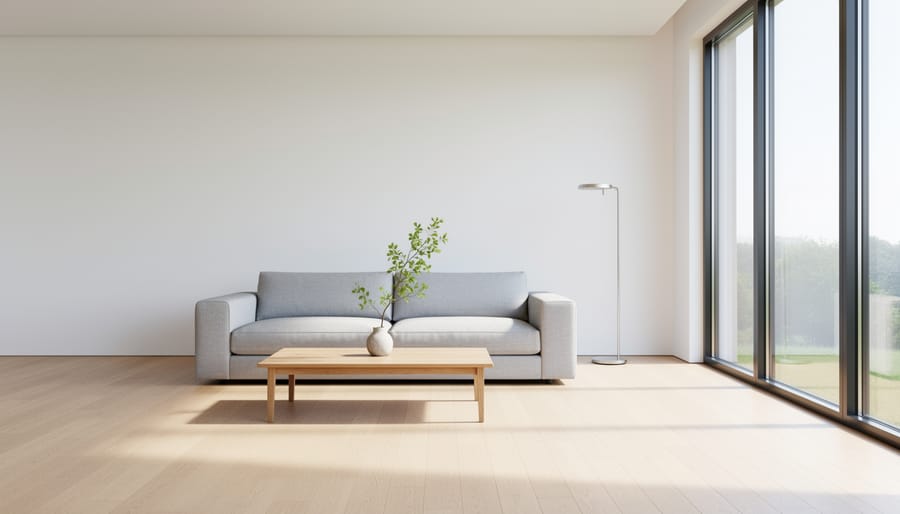
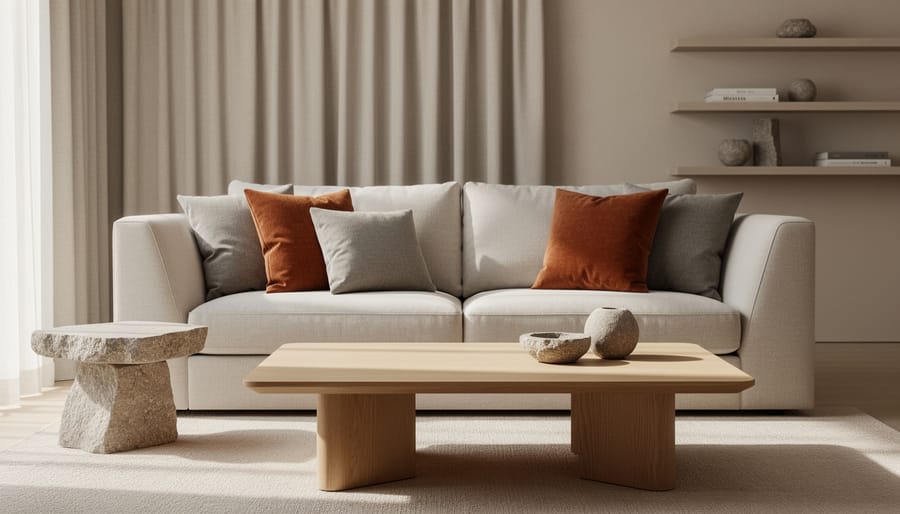
This category delivers 42 precisely selected images that distill minimalism to its essential elements: generous breathing room, restrained color palettes anchored in whites, grays, and earth tones, and furniture that serves a clear purpose without visual clutter. Each photograph captures the spatial intelligence that defines successful minimalist decor the careful balance between emptiness and intention that’s surprisingly difficult to execute.
What makes these images particularly valuable is their demonstration of practical techniques: how a single sculptural chair can anchor a room, the interplay between natural light and bare surfaces, and the subtle textural variations that prevent minimalist spaces from feeling sterile. You’ll find examples of monochromatic living rooms where three carefully chosen objects create visual interest, bedrooms where negative space becomes the dominant design feature, and kitchens stripped to functional essentials yet remaining inviting. These aren’t sterile showrooms, they’re livable interpretations that help you communicate the ‘less but better’ philosophy to clients who fear minimalism means cold or empty.
2. Warm Transitional Interiors (38 Images)
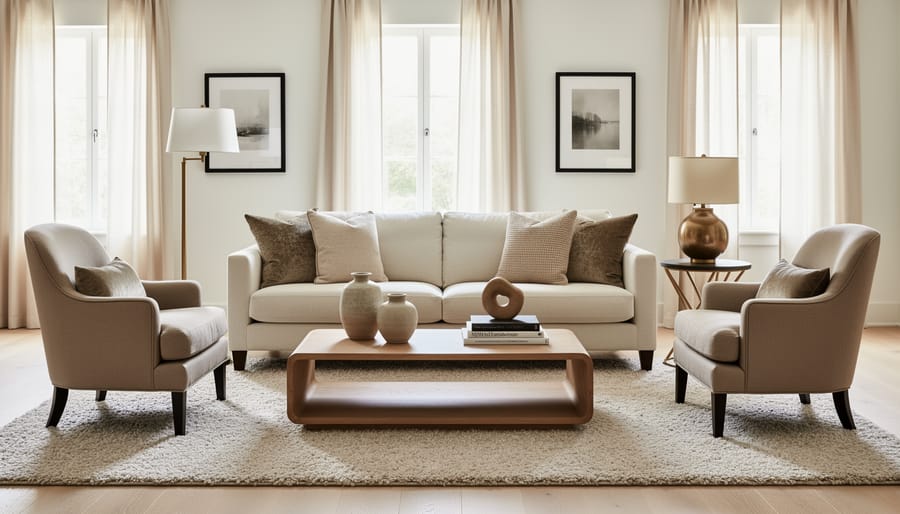
This collection of 38 images captures the sweet spot where classic design meets contemporary living. These transitional spaces favor warm neutrals, creamy whites, soft taupes, warm grays, and caramel browns, punctuated by deeper accent tones like charcoal, navy, or forest green. You’ll notice textural layering throughout: linen upholstery paired with velvet pillows, wool rugs anchoring rooms with sleek wood floors, and natural stone surfaces balanced by polished metal fixtures.
The furniture selections demonstrate real-space styling that clients actually live with, comfortable sofas with clean profiles, traditional dining tables in updated finishes, and classic silhouettes rendered in unexpected materials. Lighting choices bridge eras too, with traditional chandeliers simplified or contemporary fixtures warmed through bronze or brass finishes.
These images prove particularly valuable when working with clients who resist stark modernism but don’t want dated traditional looks. The spaces feel collected rather than decorated, with enough familiarity to feel welcoming yet enough freshness to feel current and relevant for 2026.
3. Bold Maximalist Rooms (28 Images)
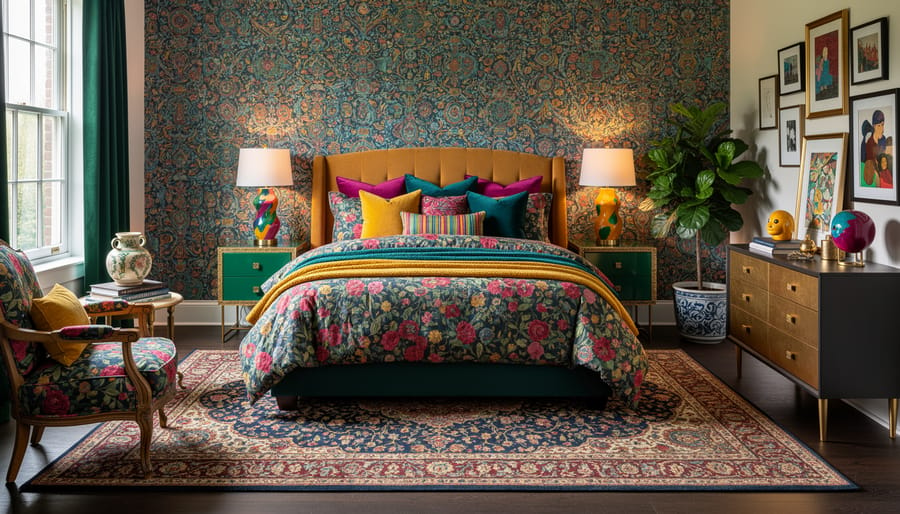
These 28 images celebrate the fearless energy of maximalist design, where layers of pattern, color, and texture create rooms that feel alive and deeply personal. You’ll find interiors that confidently mix floral wallpaper with geometric rugs, velvet sofas in jewel tones paired with brass accents and marble side tables, and gallery walls that stretch floor to ceiling with mismatched frames.
The layering techniques captured here show how successful maximalism works: a base of saturated wall color anchors collections of varied patterns that share a common palette thread. One living room pairs emerald green walls with a pink Persian rug, mustard armchair, and navy curtains, unified by gold metallics woven throughout. Another demonstrates pattern mixing through scale variation, combining large-scale botanical prints with small houndstooth pillows and medium herringbone throws.
These images prove that ‘more is more’ requires intention, not chaos. The eclectic furniture pairings span eras and styles, a mid-century credenza beneath an ornate antique mirror, modern sculptural lighting above a traditional tufted sofa, yet each room maintains visual cohesion through deliberate color relationships and balanced composition. For clients ready to embrace personality over restraint, this collection provides confident roadmaps.
4. Biophilic & Nature-Inspired Designs (35 Images)
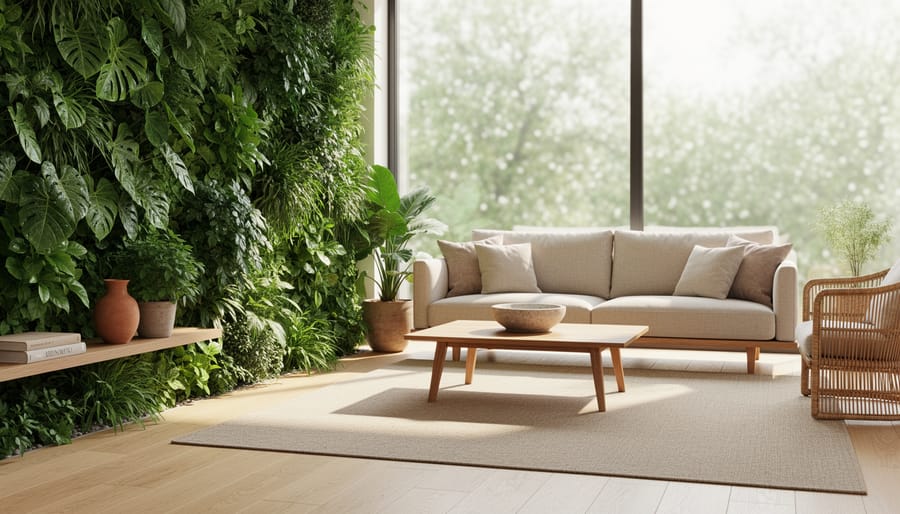
This category features 35 images that prove bringing nature indoors isn’t just beautiful, it’s backed by research showing that biophilic design improves wellbeing and reduces stress in built environments. These images showcase living walls that serve as verdant focal points, floor-to-ceiling windows framing garden views, and abundant houseplants integrated thoughtfully rather than scattered randomly.
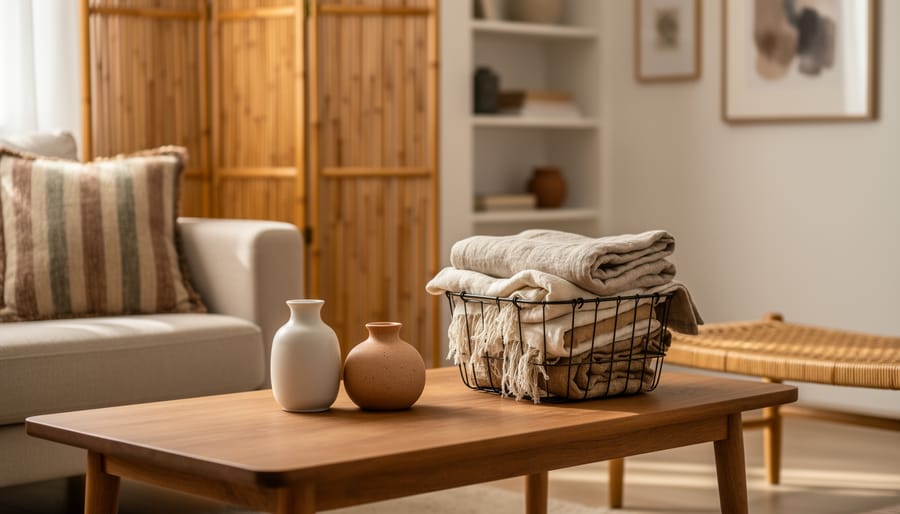
You’ll find rooms built around natural materials like raw timber ceiling beams, stone accent walls, and rattan furniture that adds organic texture without feeling rustic. Several images demonstrate how water features, natural light maximization, and earthy color palettes rooted in greens, browns, and terracotta create calming, restorative spaces. The collection includes both subtle approaches, a fiddle-leaf fig anchoring a reading nook, bamboo blinds filtering sunlight, and bold statements like moss walls in bathrooms or indoor trees reaching toward skylights.
For wellness-focused clients or hospitality projects where stress reduction matters, these images provide practical templates showing plant placement, natural ventilation strategies, and how to balance greenery with livability.
5. Small Space Solutions (31 Images)
These 31 images tackle the universal challenge of making compact living work beautifully. The collection spans studio apartments under 400 square feet, narrow galley kitchens, micro-bedrooms, and multi-purpose living areas, each demonstrating how thoughtful design transforms limitation into opportunity.
Murphy beds that fold into desk units. Sofas concealing pull-out storage drawers beneath cushions. Kitchen islands on casters that double as dining tables. The images capture furniture earning its keep through dual or triple functionality, essential when every square foot counts.
Visual expansion techniques appear throughout: floor-to-ceiling mirrors that psychologically double room dimensions, vertical storage climbing walls to preserve floor space, glass partitions separating zones without blocking light flow. Several images showcase the strategic use of light colors and continuous flooring that blurs boundaries between areas.
The clever storage solutions stand out, built-in window seats hiding linens, staircases with drawer-fitted risers, beds elevated on platforms concealing clothing storage below. These aren’t just pretty rooms; they’re masterclasses in spatial efficiency that prove small doesn’t mean cramped. Perfect reference material when clients need maximum living from minimum square footage.
6. Luxury & High-End Interiors (26 Images)
These 26 images showcase interiors where every detail whispers quality rather than shouting opulence. You’ll find marble-clad kitchens with book-matched slabs that create mirror-image veining patterns, custom walnut paneling that wraps entire rooms in warm sophistication, and statement chandeliers that function as sculptural centerpieces.
The color palettes lean heavily toward muted elegance: champagne golds paired with deep charcoal, soft blush against cream, and layered neutrals that create depth through texture rather than contrast. Several images demonstrate the power of custom millwork, from coffered ceilings with intricate joinery to built-in cabinetry so seamlessly integrated it appears architectural rather than added.
Lighting emerges as a defining luxury element across this collection. Oversized pendants in hand-blown glass, linear fixtures with brass detailing, and layered ambient schemes that eliminate harsh shadows all feature prominently. The furniture selections favor clean-lined pieces in premium upholstery, often custom-scaled for proportion rather than off-the-shelf.
These images prove that luxury design ultimately revolves around craftsmanship, material quality, and thoughtful spatial planning. They’re particularly valuable when presenting aspirational concepts to clients or studying how high-end principles translate across different architectural styles.
7. Sustainable & Eco-Conscious Spaces (20 Images)
The 20 images in this category prove that environmental responsibility and stunning design are not mutually exclusive. These spaces demonstrate sustainable interior practices through reclaimed wood accent walls, vintage furniture thoughtfully restored rather than replaced, and locally sourced textiles that reduce carbon footprint while adding character. You’ll find kitchens featuring energy-efficient appliances integrated seamlessly into custom cabinetry made from FSC-certified materials, living rooms anchored by coffee tables crafted from salvaged industrial beams, and bedrooms dressed in organic cotton linens and low-VOC paint palettes that prioritize indoor air quality.
What makes these images particularly valuable is their rejection of the myth that sustainable design must look austere or sacrifice comfort. The rooms radiate warmth through natural fiber rugs, cork flooring that insulates while adding texture, and statement lighting fashioned from recycled glass. Several images showcase living walls and potted greenery that function as natural air purifiers alongside their visual impact. These examples offer practical templates for clients seeking eco-conscious solutions without compromising the sophisticated aesthetic they envision for their homes.
How to Use Repository R Volume 210 in Your Design Practice
These 210 curated images function as professional tools that extend far beyond simple inspiration. Start by building dynamic mood boards, select 6-8 images from complementary categories to establish a cohesive design narrative for client presentations. For example, pair minimalist spaces with biophilic elements to demonstrate how clean lines and natural materials create calming environments. The HD quality ensures your boards look polished whether viewed on tablets during consultations or printed for in-person meetings.
Client presentations become significantly more persuasive when you anchor abstract concepts to concrete visuals. Rather than describing “warm transitional with organic touches,” show a curated sequence from Volume 210 that demonstrates exactly how handcrafted decor and natural textures balance contemporary furniture. Walk clients through 3-4 images that illustrate their desired aesthetic, using the visuals to establish shared vocabulary and manage expectations before sketching layouts or selecting materials.
Social media content requires consistent visual quality, and these 210 images offer weeks of posting material. Feature one image daily with commentary on specific design choices, why the color palette works, how the furniture layout maximizes flow, or what makes the lighting scheme effective. Tag relevant style categories to expand your reach while positioning yourself as an educator rather than just a portfolio showcase.
Portfolio development benefits from strategic image selection that demonstrates your design thinking process. Include 4-5 repository images in case studies to show the inspiration behind completed projects, creating visual lineage from concept to execution. This transparency strengthens your professional narrative and helps potential clients understand your creative approach.
For design education, assign yourself weekly analysis exercises: choose one image and identify three specific techniques you could adapt to current projects. Document material choices, spatial proportions, and color relationships, building a personal reference library that sharpens your design eye over time.
Standout Visual Trends Captured in This Volume
Looking across Repository R Volume 210’s curated collection, several defining design movements for 2026 emerge with remarkable consistency. These images don’t just capture beautiful spaces, they document where interior design is headed right now.
Color Palettes Shifting Toward Warmth and Depth
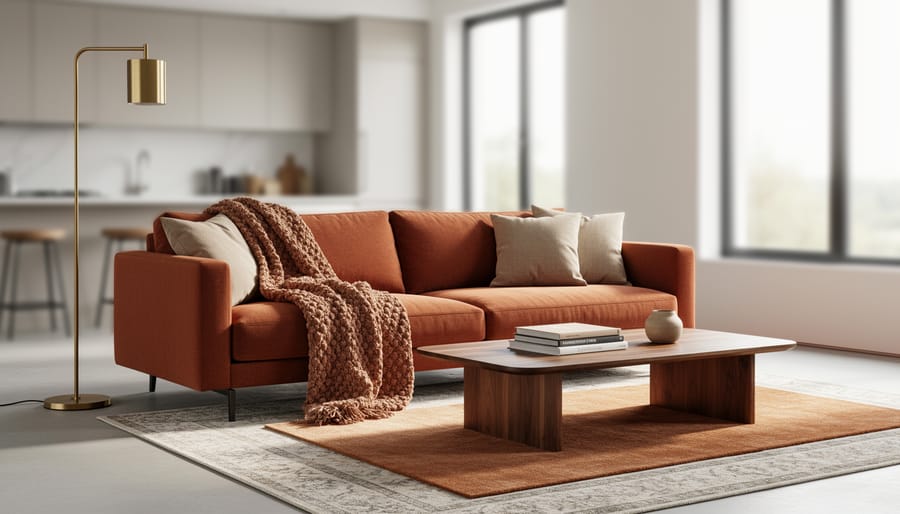
The 210 images reveal a decisive move away from cool grays toward warmer, more grounded tones. Terracotta, clay, and rust appear frequently as accent colors, often paired with warm creams and soft taupes rather than stark whites. Deep forest greens and rich chocolate browns claim significant territory, particularly in upholstery and cabinetry. What’s striking is the confidence with which designers are embracing saturated color, not as bold statements in otherwise neutral rooms, but as foundational choices that set the entire mood.
Material Choices Favoring Texture and Tactility
Smooth, glossy surfaces have given way to materials you want to touch. Bouclé fabric appears in at least thirty images across different room types, from dining chairs to headboards. Natural stone with visible veining, especially travertine and onyx, features prominently in both architectural elements and furniture pieces. Rattan, cane, and woven textures show up not as boho accents but as sophisticated design elements in contemporary settings. The trend is unmistakable: surfaces matter, and flat perfection has lost its appeal.
Furniture Silhouettes Embracing Curves and Sculpture
Sharp angles and rigid geometry have softened considerably. The images showcase rounded sofas, organically shaped coffee tables, and chairs with sculptural backs that read as art pieces. Dining tables with curved edges outnumber rectangular ones, and arched doorways and mirrors appear throughout. This isn’t about any single retro revival, it’s a broader embrace of forms that feel human-scale and inviting rather than austere.
Spatial Planning for Flexibility
The 210 images demonstrate how rooms now serve multiple purposes without looking cluttered. Living spaces incorporate dedicated work zones that feel intentional rather than makeshift. Furniture arrangements create distinct conversation areas within open plans. Movable pieces, modular seating, and adaptable lighting systems appear frequently, reflecting how we actually live in 2026, fluidly, with spaces that shift throughout the day.
Accessing and Downloading Images from Repository R
Accessing images from Repository R Volume 210 is straightforward and completely free. Start by visiting the Interior Design Image Repository homepage and navigating to the “Browse by Volume” section in the main menu. Locate “Repository R, Volume 210” from the alphabetical volume list, which will take you to the dedicated landing page for this collection.
Once on the Volume 210 page, you’ll see the 210 images organized by the design categories outlined earlier. Use the filter options on the left sidebar to narrow your search by specific categories like minimalist spaces, transitional interiors, or small space solutions. Each thumbnail displays a preview; click any image to open the full-resolution view with download options.
To download, simply click the “Download HD” button beneath each image. The repository provides high-resolution files suitable for professional presentations, mood boards, and portfolio work without requiring registration or payment. For designers looking to incorporate modern decor ideas into client projects, these images serve as valuable reference material and inspiration.
You can also create a free account to save favorites, organize collections into custom folders, and receive notifications when new volumes are added to the repository. The search function allows keyword searches across all 435 million images if you want to explore beyond Volume 210’s curated selection.
Common Questions About Repository R Volume 210
Repository R Volume 210 raises practical questions for designers exploring this curated collection. Here are the most common queries we receive about accessing and using this specific volume.
What resolution and file formats are available for the 210 images?
All images in Repository R Volume 210 are available in high-definition resolution (minimum 2400px on the longest side) as JPG files, suitable for professional presentations, mood boards, and print materials. PNG versions are available for images requiring transparency.
How often is Repository R Volume 210 updated with new images?
This volume is a fixed collection of 210 curated images and does not receive updates. New curated selections are released as separate volumes, allowing designers to reference this specific collection consistently over time without changes to the image roster.
Can I use these images for client presentations and social media?
Yes, all images in Repository R Volume 210 are free for professional use including client mood boards, presentations, educational materials, and social media inspiration posts. Commercial redistribution or selling the images themselves is not permitted.
How does Repository R differ from other repository volumes?
Repository R focuses specifically on residential interiors with strong visual storytelling and practical application for working designers. Other volumes may emphasize commercial spaces, architectural details, or specific style categories, while Repository R maintains broader residential appeal.
Are the design categories in Volume 210 mutually exclusive?
No, some images may fit multiple categories. We’ve placed each image in its primary category based on dominant design characteristics, but a sustainable space might also display minimalist principles, for example.
Do I need an account to download images from this volume?
No account creation is required. You can browse and download any of the 210 images directly from the repository interface without registration, though creating a free account allows you to save favorites and build custom collections.
These answers address the most pressing concerns designers have when first encountering Repository R Volume 210. The categorization system provides helpful navigation, but the images themselves offer flexibility in how you interpret and apply them across different projects. Whether you’re building a presentation for tomorrow or exploring trends for upcoming work, this volume delivers immediate access without barriers.
Repository R Volume 210 represents more than just a collection of 210 beautiful images. It’s a carefully curated toolkit designed to fuel your creativity, support your professional growth, and help you stay current with the design trends shaping 2026. Whether you’re building client presentations, developing your portfolio, or simply seeking fresh inspiration for your next project, these HD images offer immediate, practical value without the usual licensing headaches or cost barriers.
The thoughtful organization across seven distinct design categories means you can quickly find exactly what resonates with your current needs. From minimalist sanctuaries to maximalist celebrations, sustainable innovations to luxury refinements, this volume captures the full spectrum of contemporary interior design.
We encourage you to dive into the complete Interior Design Image Repository and discover how these resources can elevate your work. Download freely, create boldly, and let these images spark ideas that push your design practice forward. Your next breakthrough concept might be waiting in one of these 210 carefully selected visuals. Explore the repository today and make these images part of your creative process.