Handcrafted home decor transforms living spaces into personalized sanctuaries filled with character, authenticity, and stories that mass-produced items simply cannot tell. These artisan-made pieces bring warmth and soul to interiors through visible brushstrokes, unique textile patterns, and the subtle imperfections that prove human hands shaped every detail. The market speaks volumes about this growing preference: the global handicraft industry stands at USD 472.6 billion in 2026, with residential applications commanding 68.7% of demand as homeowners increasingly choose pieces with provenance over factory uniformity.
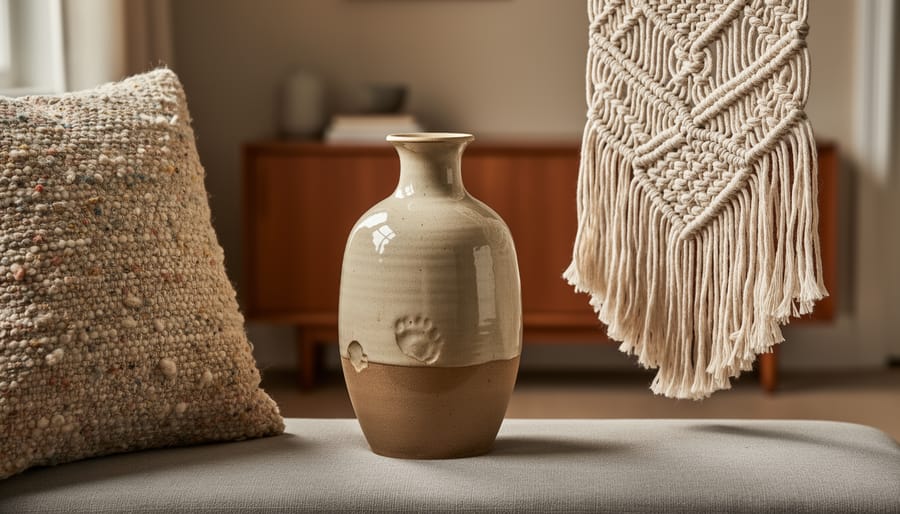
What makes handcrafted decor particularly compelling right now is the intersection of design consciousness and authenticity. Each piece carries the maker’s signature, whether that’s a potter’s thumb print on a ceramic vase or the irregular weave of a hand-loomed throw pillow. Handprinted textiles and embroidered goods alone represent 32.4% of the handicraft market, reflecting how fabric arts have become cornerstone elements in curated interiors.
Beyond aesthetics, choosing handcrafted items supports artisan communities and traditional craftsmanship techniques that have been refined across generations. You’re not just buying decoration; you’re acquiring functional art with a traceable origin story. This guide explores what defines quality handcrafted decor, where to source authentic pieces, and how to integrate them into your existing design scheme without overwhelming your space or budget. The handicraft market’s projected growth to USD 1,282.73 billion by 2036 confirms this isn’t a fleeting trend but a fundamental shift in how we value the objects that surround us daily.
The Handcrafted Revolution: What the Numbers Tell Us
The numbers behind handcrafted home decor reveal a movement far beyond passing fashion. The global handicraft market stands at USD 472.6 billion in 2026, with projections showing it will nearly triple to USD 1,282.73 billion by 2036. This 10.5% compound annual growth rate signals a fundamental shift in how people approach their living spaces.
For homeowners and designers, this growth translates to practical advantages. A 10.5% annual growth rate means the market is expanding faster than most traditional decor sectors, driving innovation while keeping artisan traditions alive. You’ll find more craftspeople entering the market, greater variety in styles and techniques, and improved accessibility to pieces that were once hard to source.
The residential dominance tells an equally compelling story. With 68.7% of the handicraft market serving home applications, manufacturers and artisans are focusing squarely on creating pieces that work in real living spaces. This isn’t decor made for galleries or commercial settings, then adapted for homes. It’s designed from the start for the rooms where you live.
Handprinted textiles and embroidered goods lead the category, capturing 32.4% of the product segment. This prominence reflects both the versatility of fabric-based decor and the accessibility of textile pieces as entry points into handcrafted design. A hand-block-printed throw pillow or embroidered wall hanging offers an achievable first step before committing to larger investments like custom furniture or major ceramic installations.
What Makes Handcrafted Decor Different from Mass-Produced Pieces
The Authenticity Factor
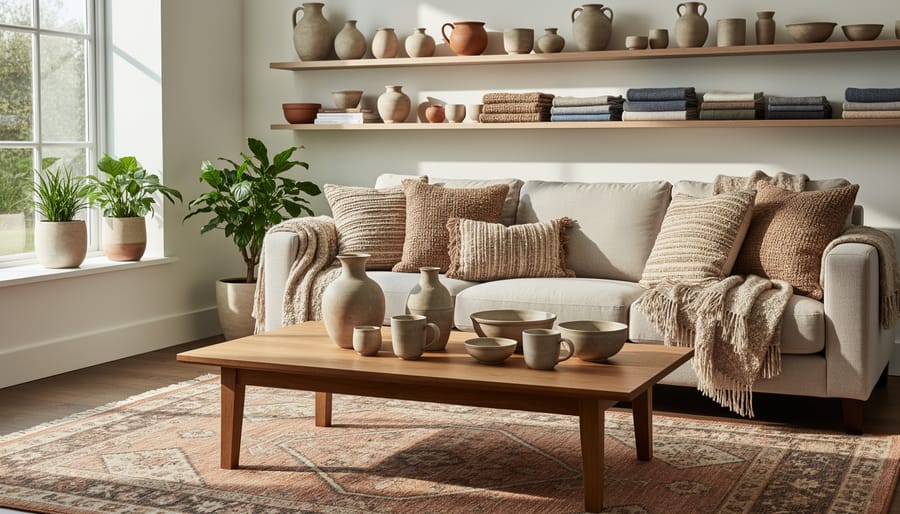
Each handcrafted piece functions as a visual autobiography of its maker’s hands and intent. The slight asymmetry in a hand-thrown vase, the subtle variation in hand-block-printed textile patterns, the uneven depth of carved wood details, these aren’t manufacturing defects but signatures of human presence. Where factory production achieves uniformity through mechanization, artisan work embraces the organic irregularities that prove a person shaped every curve and line.
This visible humanity creates emotional resonance that mass production cannot replicate. When you choose a handwoven throw blanket, you’re not just selecting a color scheme; you’re connecting with the weaver’s decisions about thread tension, pattern placement, and finishing details. The maker’s aesthetic philosophy lives in the object. A ceramic bowl’s glaze variation records the specific moment it emerged from the kiln, the atmospheric conditions, the artisan’s mixing technique, circumstances that will never align identically again.
These individual markers transform decor from anonymous furnishings into conversation pieces with genuine provenance. Your guests won’t encounter the same handcrafted wall hanging in a dozen other homes, because the artisan created yours with particular materials, on a specific day, guided by their evolving skill and creative vision.
Quality and Longevity
Handcrafted decor stands apart in durability because artisans select materials with longevity in mind, not just cost efficiency. A potter choosing stoneware over cheap clay, a woodworker hand-selecting quarter-sawn oak instead of particle board, or a textile artist using natural fiber dyes that won’t fade, these decisions happen at every stage of creation. Traditional techniques like mortise-and-tenon joinery, hand-stitched seams, and kiln-fired glazes create structural integrity that factory shortcuts can’t replicate.
The time invested in each piece directly translates to years of use. Where mass-produced items are engineered for acceptable failure after a predictable lifespan, handcrafted work is built to endure. A hand-thrown ceramic vase survives daily handling because its walls are properly compressed and evenly fired. A hand-woven throw blanket maintains its structure through countless washes because each thread is tensioned by skilled hands, not rushed through automated looms that prioritize speed over strength.
This quality gap becomes apparent within months of ownership. The hand-carved wooden bowl develops a rich patina while its factory counterpart chips and warps. Your investment buys fewer replacements and less waste, practical advantages that justify the higher initial cost.
Popular Categories of Handcrafted Home Decor for 2026
Handprinted Textiles and Embroidered Goods
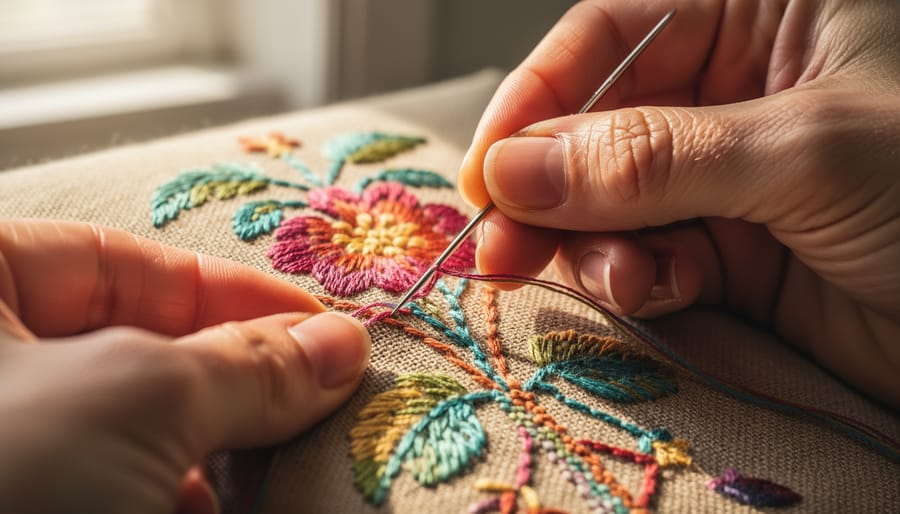
Handprinted textiles and embroidered goods dominate the handcrafted decor market, representing 32.4% of the product segment in 2026. This category transforms everyday functional items into artistic focal points through techniques that have been refined over centuries.
Block printing delivers bold, graphic patterns onto fabric using hand-carved wooden stamps. Artisans coat each block with dye, then press it repeatedly across the textile surface to build up layered designs. The slight variations in pressure and ink distribution create depth that machines can’t replicate, making each piece subtly different from the next.
Screen printing offers more intricate patterns and color gradations. Craftspeople push ink through mesh screens using squeegees, with separate screens for each color layer. This method works beautifully for complex botanical motifs and geometric designs on curtain panels and table runners.
Traditional embroidery adds texture and dimension through hand-stitched threads. Techniques like cross-stitch, chain stitch, and French knots transform plain linen into statement pieces. You’ll find this craftsmanship on throw pillows that become conversation starters and wall hangings that serve as textile art.
When incorporating these textiles, consider how patterns interact with your existing decor. A single handprinted curtain panel can anchor a neutral room, while embroidered cushions layer pattern without overwhelming smaller spaces. The key is letting the artisan’s work shine rather than competing with other busy elements. If you’re ready to choose curtains and drapes that showcase this craftsmanship, start by identifying which printing technique complements your room’s scale and lighting.
Artisan Ceramics and Pottery
Artisan ceramics transform functional vessels into sculptural statements that anchor a room’s design narrative. Handmade vases, bowls, planters, and decorative objects carry the maker’s fingerprints, literally, in their irregular rims, organic curves, and surfaces that shift in the light. Unlike factory-molded ceramics, artisan pieces showcase glazing techniques that range from crackle finishes and reactive glazes that create unpredictable color variations to traditional matte surfaces that emphasize form over flash. A wheel-thrown planter might feature intentional asymmetry, while a hand-built bowl displays visible coil marks that reveal its construction method. These pieces function as both practical containers and conversation starters, their unique shapes and textures adding depth to shelves, mantels, and tabletops. The beauty lies in their dual nature: a ceramic vase holds flowers but commands attention even when empty, and a handmade serving bowl elevates everyday meals into tactile experiences that mass-produced dinnerware can’t replicate.
Custom Woodwork and Carved Pieces
Custom woodwork brings unmatched warmth and organic texture to modern interiors through pieces that showcase the grain, knots, and natural character of wood. Hand-carved frames transform ordinary mirrors and artwork into sculptural statements, with artisans carving intricate patterns or smooth, flowing edges that machine production can’t replicate. Wooden sculptures, whether abstract forms or representational pieces, serve as conversation starters on mantels and shelves, each bearing the marks of chisel work and the maker’s vision.
Custom shelving goes beyond storage to become architectural features, with craftspeople designing configurations that fit awkward spaces while incorporating live edges, dovetail joinery, or carved supports that reveal woodworking mastery. Reclaimed wood accents carry particular appeal, transforming salvaged barn beams or old floorboards into headboards, console tables, or wall panels that add history and sustainability to your space. The variations in color, patina, and wear patterns make each reclaimed piece genuinely one-of-a-kind, grounding contemporary rooms with authentic character that mass-produced alternatives simply cannot match.
How to Incorporate Handcrafted Elements into Your Interior Design
Creating Focal Points with Statement Pieces
A single handcrafted statement piece can define an entire room’s character. Place an oversized ceramic vessel on the floor beside a minimalist sofa, and it becomes an instant sculptural anchor. Hang a large hand-woven tapestry on a bare wall, and the space transforms from generic to gallery-worthy. The key is selecting one dominant artisan piece that commands attention without competing with other elements.
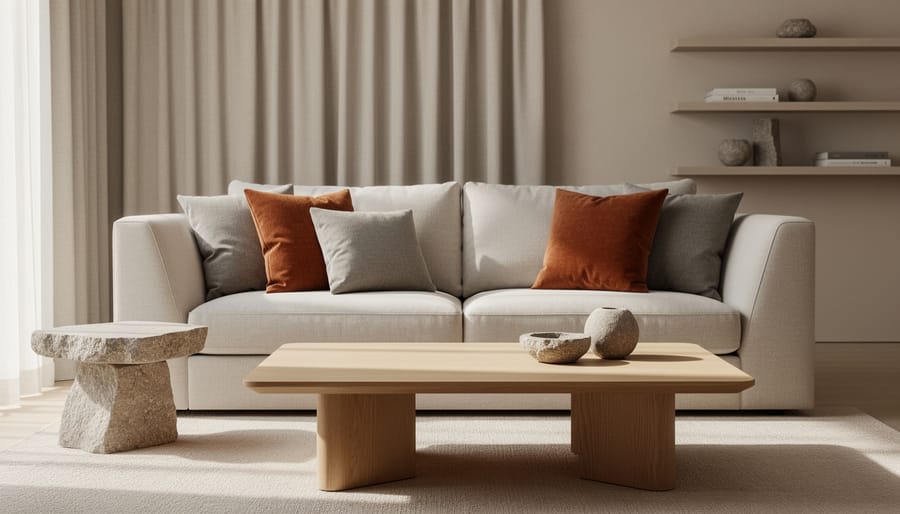
Scale matters enormously here. A hand-carved wooden coffee table works as a focal point in a living room because its substantial presence grounds the seating arrangement. Similarly, a six-foot macramé wall hanging draws the eye upward and creates vertical interest in rooms with high ceilings. Choose pieces whose size feels deliberate rather than accidental, too small and they’ll get lost, too large and they’ll overwhelm.
Position your statement piece where sightlines naturally fall: facing the main entrance, centered on a feature wall, or anchoring a conversation area. Let it breathe by keeping surrounding decor understated. A single artisan-made credenza needs minimal styling, perhaps just one complementary object, to maintain its impact as the room’s defining element.
Layering Smaller Artisan Touches
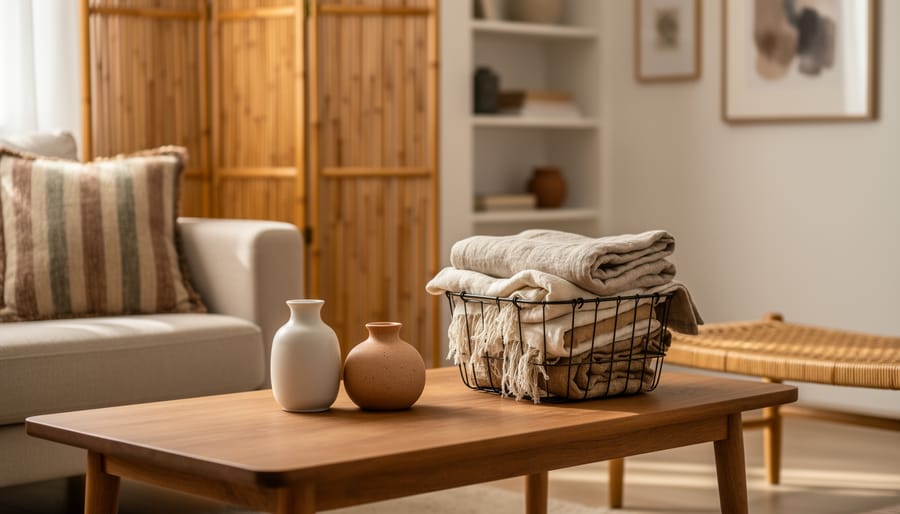
Start with a single handcrafted piece that speaks to you, then build around it gradually. A handwoven throw draped over your sofa or a set of hand-dipped ceramic coasters on your coffee table introduces artisan character without demanding major changes. The secret lies in thoughtful distribution, scatter small touches across different sight lines rather than clustering them in one corner.
Mix textures and materials for visual interest. Pair embroidered linen cushions with a turned wood candleholder and a small piece of hand-thrown pottery. This approach works beautifully whether you’re embracing minimalist home decor or a more layered aesthetic, handcrafted accents add warmth to sparse spaces and intention to busier rooms.
Rotate pieces seasonally to keep your space feeling fresh. Swap lighter handprinted textiles in summer for heavier woven items in winter. This strategy stretches your collection’s impact while preventing visual fatigue. Remember that three well-chosen artisan accessories in a room create more impact than a dozen competing for attention.
Where to Find Quality Handcrafted Home Decor
Supporting Local Artisans
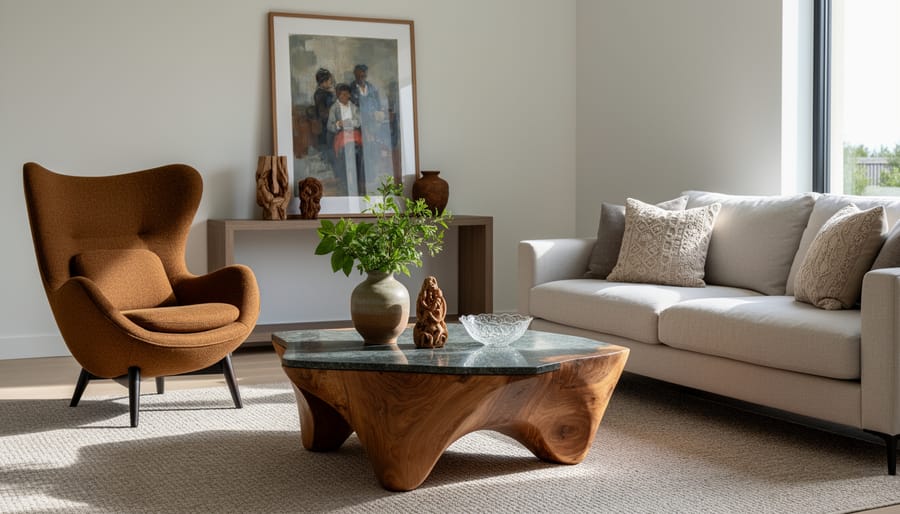
Buying from local artisans transforms your decor journey into a relationship. You can discuss dimensions, colors, and finishes directly with the maker, resulting in pieces tailored to your exact needs rather than settling for standard options. Many craftspeople welcome custom requests, whether that means adjusting a ceramic vase’s height to fit a specific niche or selecting wood tones that match your existing furniture. This collaborative process often uncovers modern home decor ideas you hadn’t considered. Beyond customization, purchasing locally strengthens your community’s creative economy. Your investment keeps traditional skills alive, supports independent livelihoods, and often reduces environmental impact through shorter supply chains. You also gain access to the maker’s expertise for care instructions and potential repairs, extending the life of your handcrafted pieces far beyond what mass-market alternatives offer.
Navigating Online Handmade Marketplaces
When shopping online for handcrafted decor, start by examining the seller’s “about” section and portfolio. Authentic artisans typically share their creative process, studio setup, and background, not just polished product photos. Look for detailed descriptions that explain techniques used, materials sourced, and production time. Mass producers often use vague language like “handmade style” or stock photography across multiple listings.
Reviews offer crucial insights beyond star ratings. Read comments mentioning packaging quality, communication with the maker, and how closely the received item matched expectations. Genuine handcrafted pieces may show slight variations between orders, reviewers often mention this as a positive. Be wary of identical five-star reviews posted simultaneously or accounts with no purchase history.
Check if the maker accepts custom requests or offers personalization. Artisans who create pieces themselves can usually modify dimensions, colors, or finishes. Sellers who can’t accommodate any changes may be reselling factory goods. Pay attention to production timelines too, authentic handcrafted items require weeks, not overnight shipping.
The Investment Value of Handcrafted Decor
Handcrafted home decor shifts the conversation from spending to investing. While mass-produced items depreciate the moment you bring them home, artisan-made pieces often hold or increase their value over time. A handwoven textile or custom ceramic vase doesn’t just decorate your space, it represents skilled labor, quality materials, and cultural techniques that become more scarce and sought-after as production methods evolve.
The longevity factor alone justifies the higher upfront cost. A hand-carved wooden mirror frame will likely outlive several factory-made versions, making its cost-per-use remarkably low. Quality handcrafted textiles maintain their structure and color through repeated washing, while embroidered pillows keep their integrity where printed versions fade and fray. When you calculate value over a ten or twenty-year lifespan instead of a single season, the economics shift dramatically.
Unique artisan work carries additional appreciation potential. Limited-production pieces from recognized craftspeople can become more valuable as their reputation grows. Even unsigned work gains character with age, the patina on handmade metalwork, the settled texture of hand-thrown pottery, qualities that enhance rather than diminish appeal. Browse through any interior design image repository and you’ll notice how handcrafted elements photograph with a depth that manufactured items simply can’t match.
This investment mindset also protects against the disposable decor cycle. When you’ve invested thoughtfully in pieces with genuine craftsmanship, you’re less likely to discard them for the next trend, creating both financial savings and environmental benefit.
Common Mistakes to Avoid When Choosing Handcrafted Pieces
The most expensive mistake you can make is buying a handcrafted piece simply because it’s beautiful in isolation. A stunning hand-thrown ceramic vase loses its impact when it dwarfs your console table or clashes with your room’s established palette. Before purchasing, measure your intended space and bring photos of the surrounding area. Many artisans appreciate this preparation and can guide you toward pieces that’ll actually work in context.
Over-accessorizing ranks as the second major pitfall. The 68.7% of residential buyers investing in handcrafted decor sometimes fall into the trap of treating every surface as a gallery. When you pack handwoven baskets, artisan pottery, and carved wooden accents into one room, individual pieces compete rather than complement. Each handcrafted item deserves breathing room to showcase its craftsmanship. Limit yourself to three to five statement pieces per room, allowing negative space to frame them properly.
Scale miscalculations create another common problem. A delicate hand-embroidered pillow disappears on an oversized sectional, while an imposing woven wall hanging overwhelms a small bedroom. Stand back and envision the piece from your typical viewing distance, not just up close where you admire the artisan’s detail work.
Trend-chasing undermines the core value of handcrafted decor. If you’re buying macramé wall hangings solely because they’re popular right now, you’re missing the point. The $472.6 billion global handicraft market thrives because these pieces offer lasting personal connection, not fleeting style moments. Choose items that resonate with your aesthetic instincts and daily life, even if they don’t match current Pinterest trends. That connection ensures you’ll treasure the piece long after design fads shift.
Caring for Your Handcrafted Home Decor
Proper care extends the life and beauty of your handcrafted pieces, allowing them to remain focal points in your home for years. Each material requires specific attention based on its creation process and composition.
- Handprinted Textiles and Embroidered Goods
- Hand wash in cool water with mild detergent or use the delicate cycle, turning items inside out to protect surface details. Air dry flat or hang away from direct sunlight to prevent fading and preserve the integrity of natural dyes and hand-stitched elements.
- Artisan Ceramics and Pottery
- Hand wash with warm water and gentle soap rather than using dishwashers, which can cause cracking or glaze damage. Avoid extreme temperature changes and use soft cloths to prevent scratching handmade glazes.
- Carved Wood Pieces
- Apply food-safe mineral oil or beeswax conditioner every few months to prevent drying and cracking. Keep wooden items away from direct heat sources and excessive moisture, wiping spills immediately with a soft cloth.
- Handcrafted Metalwork
- Polish with appropriate metal-specific cleaners using circular motions and microfiber cloths. Store in low-humidity environments and consider applying a thin coat of wax to pieces prone to tarnishing, especially copper and brass.
Regular dusting with soft, dry cloths prevents buildup that can dull finishes over time. For pieces displayed in high-traffic areas, rotate their positions occasionally to ensure even exposure to light and air. When storing seasonal handcrafted decor, wrap items in acid-free tissue paper and place them in breathable containers rather than plastic bins, which can trap moisture. Document any specific care instructions provided by the artisan at purchase, as individual makers often use unique finishes or treatments that benefit from tailored maintenance approaches.
The numbers speak for themselves: a handicraft market valued at USD 472.6 billion in 2026 and projected to reach USD 1,282.73 billion by 2036 isn’t just a fleeting trend. This 10.5% annual growth reflects something deeper, a collective desire for homes that tell stories, showcase individuality, and honor the human hands behind each creation.
Handcrafted home decor represents a conscious choice to step away from disposable, cookie-cutter interiors and toward spaces that feel genuinely yours. Every artisan piece you bring home becomes part of your personal narrative, a conversation starter, and a reminder that beauty doesn’t need to be mass-produced to be accessible.
You don’t need to overhaul your entire space overnight. Start with one piece that genuinely speaks to you, a hand-embroidered throw pillow, a ceramic vase with an imperfect glaze, or a carved wooden accent. Let that single item anchor your journey toward a more intentional, soulful interior.
For visual inspiration and ideas on how handcrafted elements can transform your rooms, explore Decor SDA’s extensive image collection. Your perfect first piece is waiting to be discovered.