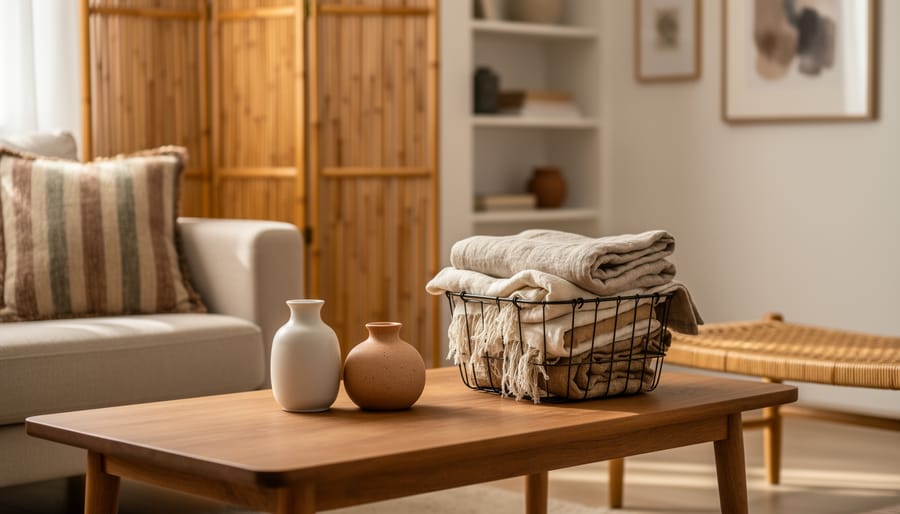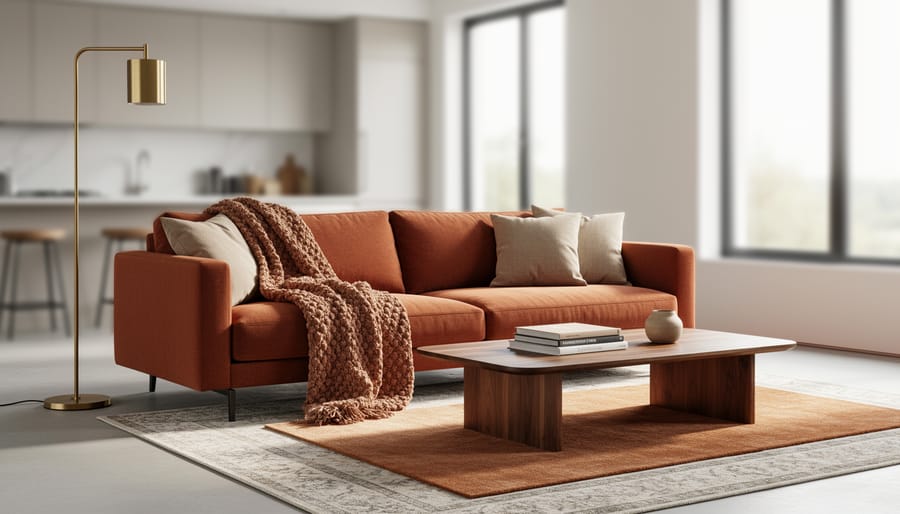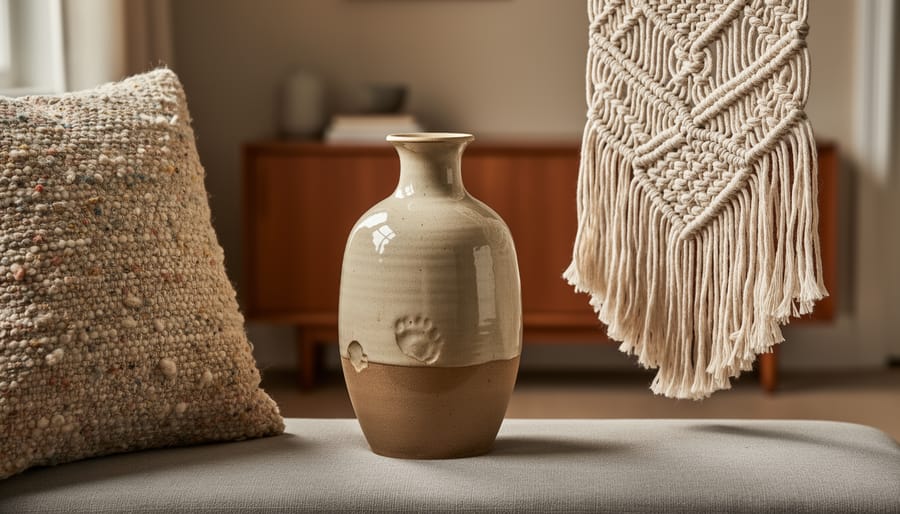
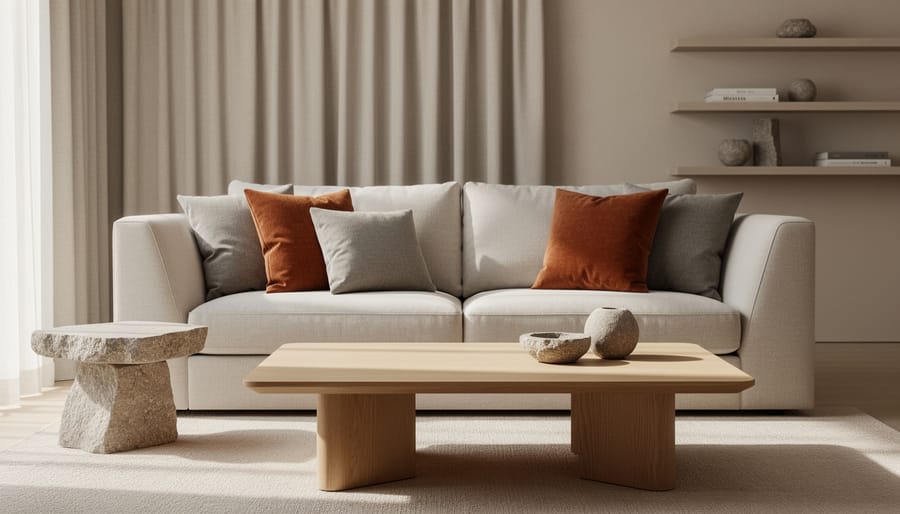
Q3 interior design is a contemporary aesthetic that marries minimalist sensibility with warm, organic textures and carefully curated color palettes drawn from nature’s muted tones. This design philosophy emphasizes quiet luxury through restrained elegance, where every piece serves both function and visual purpose without competing for attention. The approach centers on creating spaces that feel both sophisticated and livable, stripping away unnecessary ornamentation while maintaining warmth through natural materials like wood, linen, and stone.
Born from a desire to move beyond stark minimalism without embracing maximalist excess, Q3 interior creates breathing room in your home. Think soft grays meeting warm terracotta, clean lines softened by organic shapes, and statement pieces chosen for their sculptural quality rather than trend appeal. The style gained momentum as homeowners sought design that could adapt to their lives rather than dictate them, offering flexibility that works whether you’re furnishing a studio apartment or reimagining an entire home.
Understanding Q3 interior means grasping its foundational balance: the discipline of minimalism paired with the soul of natural warmth. You’ll learn to edit ruthlessly while choosing pieces that reward closer inspection. This article breaks down the core elements that define Q3 spaces, from color theory and material selection to lighting strategies and spatial planning. You’ll discover room-by-room guidance that translates these principles into actionable design decisions, complete with visual examples that demonstrate how professional designers achieve this coveted aesthetic in real homes across different budgets and square footage.
What Defines Q3 Interior Design
Q3 interior design represents a refined evolution of contemporary decor that prioritizes restraint without sacrificing warmth. At its core, this aesthetic rejects visual clutter in favor of intentional choices, every element serves a purpose, whether functional or emotional. The name itself reflects a balanced approach that sits comfortably between stark minimalism and maximal design, creating spaces that feel both curated and livable.
The color foundation of Q3 interiors typically starts with whites, grays, taupes, or soft beiges that provide a calm backdrop. Unlike monochromatic schemes, Q3 design incorporates strategic pops of color, a terracotta throw pillow, sage green accent chair, or muted navy artwork, that create focal points without overwhelming the eye. These accents aren’t random; they’re deliberate choices that reflect the inhabitant’s personality while maintaining the overall sense of composure.
Furniture in Q3 spaces tends toward low-profile silhouettes with straight lines or gentle curves, often drawing from mid-century modern influences but without slavish adherence to any single era. A sectional sofa might have track arms and exposed wooden legs. A dining table could feature a simple rectangular top on tapered legs. The common thread is proportion and negative space, pieces don’t crowd each other, and breathing room between furniture creates visual calm.
Material diversity plays a crucial role in preventing Q3 interiors from feeling cold or sterile. Natural wood tones introduce organic warmth, whether through oak flooring, walnut side tables, or ash cabinetry. Metal accents in matte black, brushed brass, or aged bronze provide contrast without flash. Textiles layer in softness: linen curtains, wool rugs, cotton upholstery, and perhaps a chunky knit throw. The textures create tactile interest that the restrained color palette might otherwise lack.
Spatial planning in Q3 design emphasizes flow and function over filling every corner. Rooms maintain clear pathways, and furniture arrangements encourage conversation or activity without forcing proximity. This thoughtful use of space makes even modest-sized rooms feel generous and allows the design elements present to register clearly rather than compete for attention.
Essential Elements of Q3 Interior Spaces
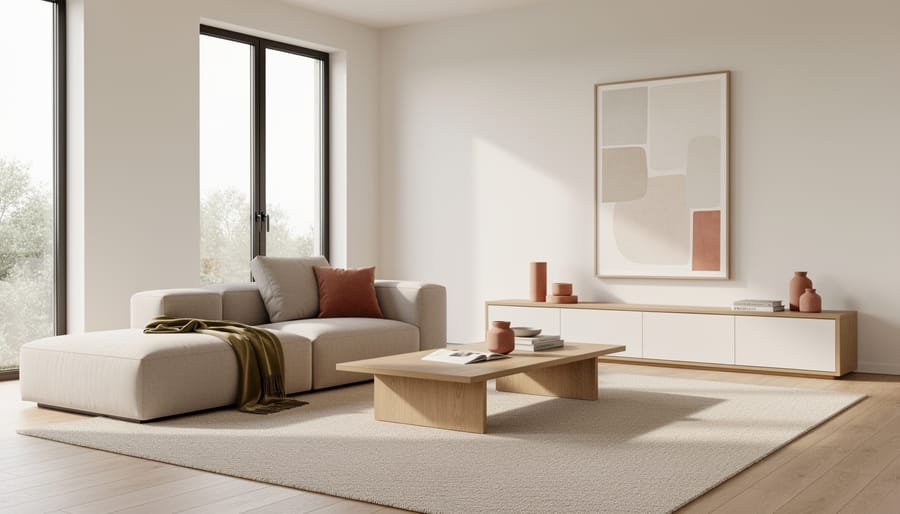
Color Schemes and Material Palettes
Q3 interior design builds its visual foundation on a carefully curated palette that balances restraint with warmth. The base layer typically consists of neutral tones, soft whites, warm grays, beige, and taupe, creating a calm backdrop that allows other elements to shine without competing for attention. These foundational colors appear on walls, larger furniture pieces, and flooring, establishing the serene atmosphere characteristic of the style.
Accent colors introduce personality while maintaining sophistication. Warm accents might include terracotta, rust, or muted gold, while cool accents lean toward sage green, dusty blue, or charcoal. These appear strategically in throw pillows, artwork, or a single statement piece rather than overwhelming the space. The key is proportion: roughly 70% neutrals, 20% secondary tones, and 10% accent colors.
Material selection amplifies this balanced approach. Natural wood, particularly light oak, walnut, or ash, brings organic warmth through flooring, shelving, or furniture legs. Metal accents in brushed brass, matte black, or stainless steel add contemporary edge through lighting fixtures, cabinet hardware, or decorative objects. Textured fabrics like linen, bouclé, or wool introduce tactile dimension to upholstery and window treatments.
The interplay between smooth and textured surfaces prevents monotony. A polished marble countertop pairs with a woven jute rug; sleek leather seating contrasts with chunky knit throws. This material diversity creates visual interest while staying within Q3’s refined parameters, proving that simplicity need not mean boring.
Furniture Selection and Placement
Q3 interior design favors furniture that makes a statement through simplicity rather than ornamentation. Mid-century modern pieces work exceptionally well in these spaces, think tapered wooden legs, organic curves, and sculptural silhouettes that feel both timeless and contemporary. A streamlined sofa with clean arms and exposed legs creates visual lightness, while a walnut credenza with minimal hardware adds warmth without clutter.
Multi-functionality becomes essential in Q3 interiors, particularly for smaller spaces. An ottoman that doubles as storage, a dining table that extends for gatherings, or a console that converts to a workspace keeps the room adaptable without sacrificing aesthetics. Choose pieces with visible craftsmanship, exposed joinery, quality upholstery, and honest materials that age gracefully.
Spacing matters as much as the furniture itself. Q3 interiors breathe, so resist the urge to push everything against walls. Float your sofa to define conversation zones, leaving at least 18 inches between major pieces for easy movement. Anchor seating arrangements with a properly sized area rug that grounds the space without overwhelming it.
Scale plays a crucial role in maintaining balance. A massive sectional can dominate a room, while a leggy armchair keeps sightlines open. Mix proportions deliberately, pair a substantial coffee table with delicate side chairs, or contrast a hefty bookshelf with an airy glass console. The goal is visual weight distribution that feels intentional, creating focal points without crowding the room or blocking that carefully planned spatial flow.
Lighting and Spatial Flow
Lighting forms the backbone of Q3 interior design, creating depth and visual interest through deliberate layering. Start with ambient lighting, recessed ceiling fixtures or track lighting, to establish overall illumination without overwhelming the space. Layer in task lighting where function demands it: pendant lights over kitchen islands, adjustable reading lamps beside seating areas, or under-cabinet strips in work zones. Accent lighting then adds drama, using wall sconces to highlight artwork or LED strips to emphasize architectural features like floating shelves or alcoves.
Natural light drives the spatial strategy in Q3 interiors. Position furniture to preserve sightlines to windows rather than blocking them. Window treatments should filter rather than obstruct, sheer curtains, roller shades in neutral tones, or minimalist blinds that disappear when raised. The goal is controlling glare while maximizing daylight penetration throughout the day.
Open floor plans amplify the Q3 aesthetic by creating fluid movement between zones. Remove non-structural barriers where possible, or replace solid walls with glass partitions that maintain visual connection. Define separate areas through furniture arrangement and area rugs rather than physical dividers. A sectional sofa can delineate a living zone from a dining space without erecting walls.
Spatial flow means clear pathways, maintain at least 36 inches for primary circulation routes. Avoid furniture clusters that force awkward navigation. The layout should feel intuitive, guiding occupants naturally from entry to living areas to private spaces, with each room opening logically to the next while preserving its distinct function.
Implementing Q3 Interior in Different Rooms
Bringing Q3 interior principles into your home requires adapting the style’s core elements to each room’s specific function while maintaining visual continuity throughout the space. The beauty of this approach lies in its flexibility, Q3 interiors work equally well in social areas and private retreats when you understand how to balance aesthetics with practical needs.
| Room Type | Key Features | Color Approach | Focal Points |
|---|---|---|---|
| Living Room | Low-profile seating, open sightlines, layered textures | Warm neutrals with one accent color in pillows or art | Statement coffee table, oversized art piece |
| Bedroom | Platform bed, minimal nightstands, blackout-friendly windows | Cool grays or beiges with soft textile layers | Upholstered headboard, pendant lights |
| Kitchen | Handleless cabinets, integrated appliances, stone counters | White or light wood base with black or brass hardware | Waterfall island edge, open shelving vignette |
| Home Office | Ergonomic desk, cable management, task lighting zones | Muted tones to reduce visual distraction | Floating desk, gallery wall of inspiration |
In living rooms, Q3 interior design thrives when you create distinct zones without physical barriers. Position a sectional perpendicular to the wall rather than pushed against it, which opens up circulation paths and makes the room feel larger. Choose a coffee table with clean geometry, rectangular or round works better than ornate shapes, and anchor the seating area with a large-format rug that extends under all furniture legs. Keep window treatments simple: sheer panels or roller shades in neutral tones maintain the uncluttered look while allowing light control.
Bedrooms benefit from Q3 interior’s calm, uncluttered approach. Select a platform bed with a low profile to emphasize horizontal lines and create the illusion of higher ceilings. Limit nightstand surfaces to essentials, a lamp, perhaps one book, and use wall-mounted reading lights to free up space. Built-in storage or a streamlined dresser with flush drawer fronts maintains the minimal aesthetic while providing necessary function. Layer bedding in complementary neutrals rather than busy patterns, and introduce texture through linen, wool, or cotton waffle weaves.
Kitchen implementations of Q3 interior often center on concealment and continuity. Choose slab-front cabinets without visible hardware, or use recessed pulls that disappear into the cabinet edge. Integrate appliances behind matching panels when budget allows, or select models in stainless steel or black to coordinate with the overall palette. Open shelving works in Q3 kitchens when styled intentionally, display matching dishware or glassware in organized groupings rather than random collections. A waterfall-edge island in quartz or marble creates a sculptural element that aligns with modern home decor principles while providing a practical work surface.
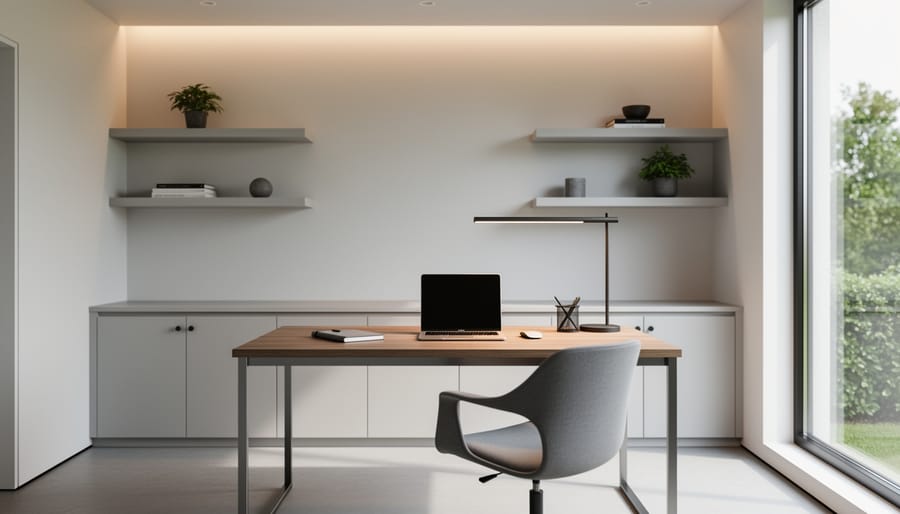
Home offices require careful attention to both aesthetics and ergonomics within the Q3 framework. A floating desk keeps sightlines clean and makes the room feel less furniture-heavy. Conceal cables using under-desk trays or channel systems rather than letting them drape visibly. Choose an office chair that balances comfort with visual simplicity, many ergonomic designs now feature cleaner profiles that fit Q3 interiors better than traditional executive chairs. Add task lighting with adjustable arms, and use wall space for a curated inspiration board or single large-scale print rather than cluttered bulletin boards.
Finding Inspiration in the Interior Design Image Repository
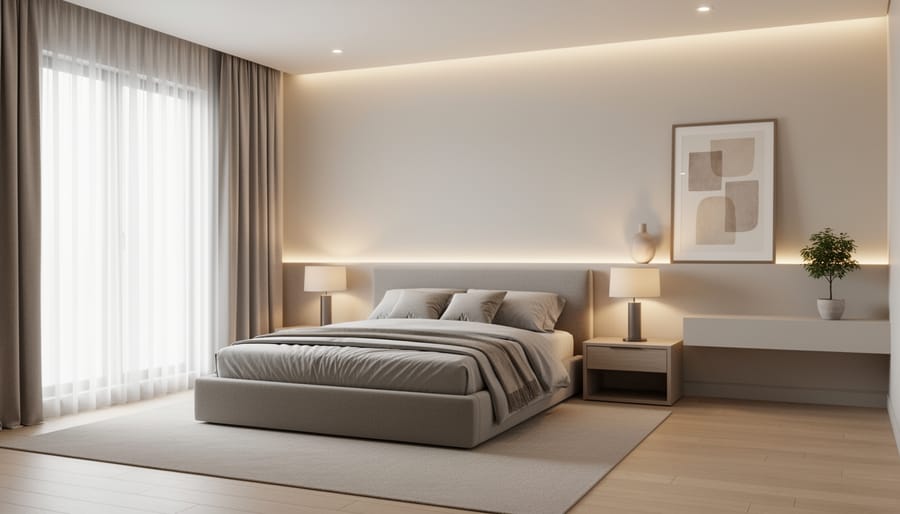
The Interior Design Image Repository at Decor SDA houses over 435 million high-definition images, making it an invaluable resource for discovering authentic Q3 interior examples. Start by using specific search terms that reflect Q3 characteristics, try “contemporary neutral living room,” “minimalist wood furniture,” or “modern accent lighting” rather than generic queries. This targeted approach surfaces images that genuinely represent the Q3 aesthetic rather than loosely related contemporary styles.
When you find images that resonate, pay attention to how space, color, and furnishings interact. Look for clean-lined furniture against neutral backdrops, strategic pops of color through artwork or textiles, and balanced room layouts where each element has visual breathing room. These details distinguish true Q3 interiors from cluttered or overly sparse designs.
Save images that capture specific aspects you want to replicate, a particular sofa profile, a lighting arrangement, a color combination. The interior image repository lets you build mood boards organized by room or design element, creating a cohesive reference library for your project. Group images by theme: one board for color palettes, another for furniture styles, a third for lighting solutions.
Focus on images showing real, furnished spaces rather than isolated product shots. Room contexts reveal how Q3 elements work together, how a neutral sofa pairs with textured pillows, where accent lighting falls, how open floor plans maintain distinct zones. Cross-reference multiple images of the same room type to identify recurring patterns that define the Q3 approach, then adapt those principles to your specific space and preferences.
Common Questions About Q3 Interior Design
Is Q3 interior doable on a tight budget? Absolutely. This style relies more on restraint and thoughtful curation than expensive statement pieces. Start with a neutral paint refresh, declutter ruthlessly, and invest in a few quality foundational pieces, a well-made sofa, a solid wood dining table, rather than filling every corner. You can achieve the clean-lined aesthetic with budget-friendly retailers if you focus on simple silhouettes and avoid ornate detailing. Swap out hardware, update lighting fixtures, and use inexpensive textiles like linen throws to add texture without breaking the bank.
How does Q3 interior differ from minimalist home decor?
While both embrace clean lines and uncluttered spaces, Q3 interior incorporates warmer textures, layered materials, and deliberate accent colors where minimalist home decor tends toward stark simplicity. Q3 feels lived-in rather than austere.
Can Q3 interior work in a small apartment?
Yes, and it actually thrives there. The emphasis on multi-functional furniture, strategic storage, and avoiding visual clutter makes small spaces feel larger and more intentional.
Will my Q3 interior feel cold or sterile?
Not if you balance it properly. Layer in natural wood tones, incorporate soft textiles like wool or cotton, and add greenery, these elements prevent the space from reading as clinical.
Do I need to replace all my furniture to achieve this look?
No. Assess what you already own and keep pieces with clean profiles and neutral tones. You can gradually phase out items that clash rather than overhauling everything at once.
One concern people have is whether Q3 interior requires professional help. You don’t need a designer to pull this off, though one can certainly accelerate the process. The style’s straightforward principles, less is more, quality over quantity, cohesive color stories, are accessible to DIYers willing to take their time. Start with one room, use the Image Repository to gather reference photos showing the specific balance of elements you’re after, and adjust as you go. The biggest mistake is rushing and buying everything at once without a clear vision, which leads to a disjointed result that misses the mark.
Q3 interior design offers a refreshing middle ground between stark minimalism and cluttered maximalism, making it an achievable style for any space or budget. Whether you’re working with a compact apartment or a spacious home, the principles of balanced proportions, thoughtful material choices, and purposeful design remain constant and adaptable.
The beauty of this approach lies in its flexibility. You can start small with a single room, gradually refining your palette and furniture choices as you develop confidence in the aesthetic. There’s no pressure to achieve perfection overnight or invest in expensive pieces all at once.
Decor SDA’s Interior Design Image Repository puts 140+ verified Q3 interior examples at your fingertips, offering endless visual references as you shape your own interpretation of the style. These images serve as practical guides, showing real implementations rather than unattainable ideals. Beyond inspiration, our platform provides professional development resources for designers looking to expand their expertise in contemporary styles like Q3 interior.
Your space is uniquely yours. Let Q3 interior principles guide you, but don’t be afraid to inject personal touches that reflect how you actually live. The most successful Q3 interiors balance design integrity with genuine comfort.