
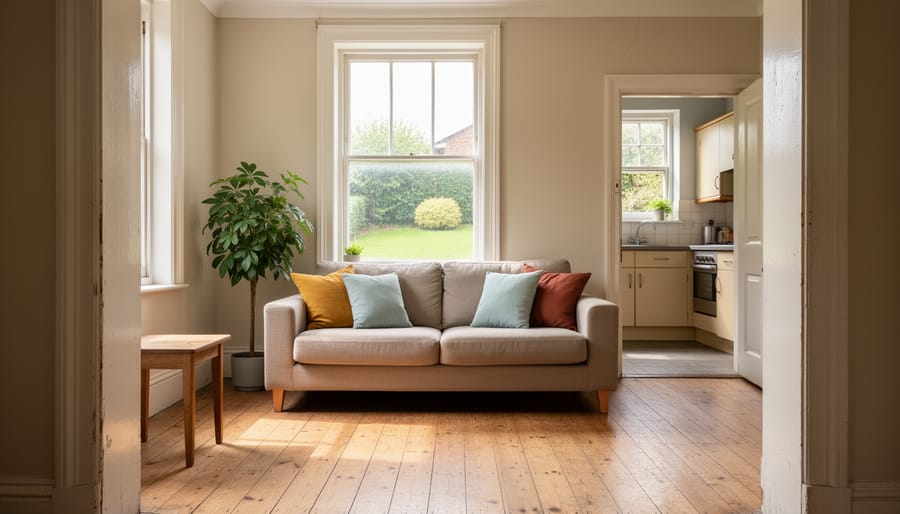
Transform your distressed property into a buyer’s opportunity by starting with a deep clean that erases years of neglect. Scrub floors until they shine, wash every window inside and out, eliminate all traces of odors with specialized cleaners, and make grimy grout look fresh again. This foundational step costs minimal money but delivers maximum impact, instantly shifting perception from abandoned to cared-for.
Remove every piece of excess furniture, personal item, and accumulated clutter to create the illusion of space and possibility. Buyers viewing homes in rough condition need to envision potential, not navigate around your belongings. Clear countertops completely, empty half your closets to suggest ample storage, and eliminate anything that makes rooms feel cramped or chaotic.
Address quick cosmetic fixes that dramatically improve first impressions without requiring renovation skills. Replace broken light fixtures with budget-friendly alternatives, patch obvious wall holes with spackle and touch-up paint, tighten loose cabinet handles, and ensure every door opens smoothly. These minor repairs signal that the home hasn’t been completely abandoned to deterioration.
Maximize natural light by removing heavy curtains, trimming overgrown bushes blocking windows, and replacing burned-out bulbs with higher-wattage options. Brightness disguises imperfections and creates an uplifting atmosphere that helps buyers focus on potential rather than problems.
When selling a house in poor condition UK, strategic staging doesn’t mean hiding major issues but rather presenting your property’s best possible version within realistic constraints, helping motivated buyers see past surface flaws to recognize underlying value.
Why As-Is Staging Works (Even When Your House Isn’t Perfect)
Here’s a reality check that might surprise you: staging isn’t just for pristine, move-in-ready homes with granite countertops and freshly painted walls. In fact, some of the most powerful staging transformations happen in properties that are far from perfect.
The magic lies in understanding buyer psychology. When potential buyers walk into an empty, distressed property, their minds fixate on every crack, stain, and outdated fixture. It’s overwhelming, and most people struggle to see past the flaws. But when you strategically stage an as-is home, you’re giving buyers a visual roadmap. You’re helping them imagine the life they could build there, rather than the renovation headaches they fear.
Traditional staging and as-is staging share the same goal—making a property appealing—but they take different paths to get there. Traditional staging often involves neutral paint, rented furniture sets, and creating a magazine-worthy aesthetic. As-is staging, on the other hand, works with what you already have. It’s about thoughtful arrangement, strategic placement of existing furniture, and drawing the eye toward positive features while minimizing the impact of imperfections.
Think of it as visual storytelling rather than home improvement. You’re not hiding problems or pretending they don’t exist. Instead, you’re creating focal points that shift attention. A well-placed plant near a window draws eyes to natural light. A cozy reading nook makes buyers feel the space’s warmth rather than notice the scuffed baseboards nearby.
Let’s set realistic expectations: staging won’t fix structural issues or magically erase major defects. What it will do is help buyers connect emotionally with your space, seeing potential where they previously saw only problems.
The Deep Clean That Changes Everything
Target the Sensory Offenders First
Before potential buyers even notice your home’s structural quirks, their senses will make the first judgment. Lingering odors from pets, cooking, or mustiness create an instant negative impression that’s hard to overcome. Start by identifying smell sources rather than masking them with air fresheners, which often signal you’re hiding something. Open windows daily for cross-ventilation, sprinkle baking soda on carpets before vacuuming, and place bowls of white vinegar in problem areas overnight to neutralize odors naturally.
Visible stains on carpets, walls, or ceilings tell buyers there’s damage lurking beneath the surface. While you’re selling as-is, addressing surface-level stains shows you’ve maintained what you could. A simple solution of dish soap and warm water removes many carpet spots, while a magic eraser works wonders on scuffed walls. For stubborn ceiling stains from old leaks, a coat of stain-blocking primer prevents bleed-through without requiring full repairs.
Finally, tackle grime in bathrooms and kitchens where buyers scrutinize most carefully. These high-traffic areas don’t need renovation, just thorough cleaning. Remove soap scum, scrub grout lines with a bleach pen, and polish fixtures until they shine. This minimal investment in elbow grease demonstrates respect for the property and helps buyers envision possibilities rather than problems.
Windows, Floors, and Fixtures: Your Quick-Win Trinity
When you’re working with limited resources, these three elements offer the biggest bang for your buck. Think of them as your staging power trio.
Start with your windows, the eyes of your home. Even the dingiest space transforms when natural light floods in. Remove heavy drapes or outdated blinds that block sunlight. A quick wipe-down of grimy glass can feel like adding a fresh coat of paint to the entire room. If your windows are damaged beyond a simple cleaning, consider sheer white curtains to diffuse the view while still welcoming brightness. This costs mere dollars but changes everything.
Next, tackle your floors. You don’t need new flooring to make an impact. For hardwood, a thorough cleaning followed by an inexpensive polish can revive tired surfaces. Carpets benefit enormously from a deep clean or rental steam cleaner, often costing under fifty dollars. If stains persist, strategically placed area rugs in neutral tones can redirect attention while adding warmth. For damaged sections beyond repair, transparency works better than covering up obvious problems, but clean what you can.
Finally, address fixtures like cabinet hardware, light switch plates, and door handles. These small touches might seem insignificant, but outdated brass fixtures or grimy switchplates whisper neglect to potential buyers. Swapping them for brushed nickel or matte black alternatives takes minutes and minimal investment. Even just cleaning existing fixtures with proper solutions can eliminate years of buildup.
Together, these three quick wins create a foundation of cleanliness and care that helps buyers see past imperfections.
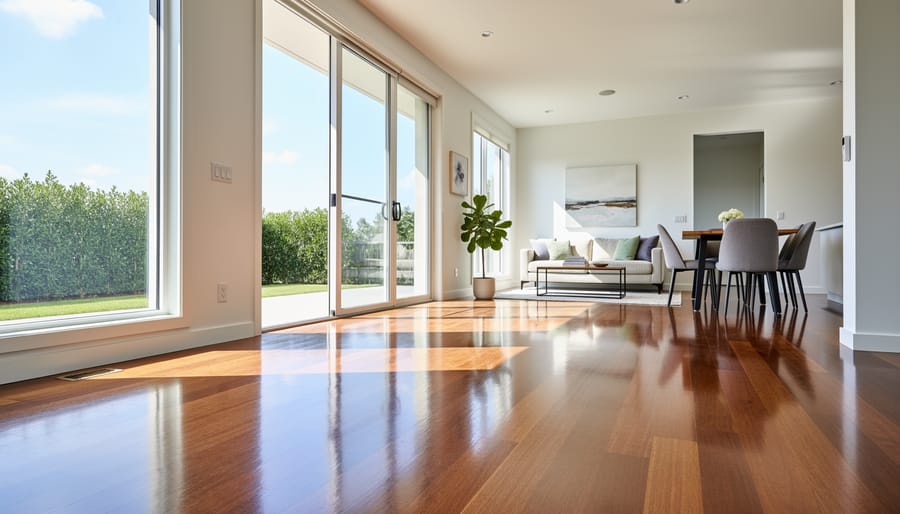
Decluttering to Reveal Hidden Potential
Remove, Don’t Just Rearrange
Here’s a truth many sellers miss: simply reorganizing your belongings isn’t decluttering. When potential buyers walk through your home, they’re mentally moving in, and every visible item competes for their attention. True decluttering means physically removing items from the space, not just arranging them more neatly on shelves.
Start with the kitchen, where countertops should showcase only your coffee maker or a single decorative bowl. Clear everything else, including dish racks, utensil holders, and small appliances. Buyers need to envision their own kitchen essentials here.
In bedrooms, remove personal photographs, collections, and excessive furniture that makes rooms feel cramped. Keep nightstands clear except for a simple lamp. Closets deserve special attention since buyers will definitely peek inside. Remove at least half of what’s hanging to demonstrate storage capacity.
Bathrooms should feel spa-like and impersonal. Store toiletries under the sink, leaving only coordinated hand soap and a folded towel visible. Medicine cabinets should be emptied of personal items.
Living areas benefit from the “less is more” approach. Remove excess throw pillows, knick-knacks, and furniture pieces that block natural walking paths. Remember, you’re creating an inspiring vision of possibility, not showcasing your current lifestyle.
Strategic Furniture Removal for Better Flow
Less is genuinely more when staging a home in as-is condition. Start by standing in the doorway of each room and identifying furniture pieces that block natural pathways or make the space feel cramped. In worn-down rooms, bulky or excessive furniture draws attention to the home’s limitations rather than its potential.
Remove any piece that doesn’t serve a clear purpose in defining the room’s function. For example, if your living room contains a sofa, loveseat, two recliners, and an oversized coffee table, consider keeping just the sofa and one accent chair with a streamlined side table. This creates breathing room that helps buyers envision their own belongings in the space.
Pay special attention to traffic flow. You should be able to walk through any room without turning sideways or navigating an obstacle course. Furniture should float away from walls when possible, creating definition without crowding. In bedrooms, sometimes removing the dresser or nightstands can make a small space appear significantly larger.
Think of furniture removal as strategic editing. Each remaining piece should contribute to a story of livable, functional space. Store excess items offsite or in the garage, and watch how removing just two or three key pieces transforms a cluttered room into an inviting canvas for potential buyers.
Camouflage Techniques That Don’t Feel Deceptive
Lighting Fixes That Cost Almost Nothing
Lighting transforms spaces without touching a single wall or fixture. Strategic lamp placement can draw eyes away from imperfections while creating an inviting atmosphere that helps buyers envision themselves in the home.
Start by maximizing natural light. Open all curtains and blinds during showings, and clean windows inside and out to let sunshine work its magic. Natural light naturally diffuses flaws and makes rooms feel larger and fresher.
For darker spaces, position affordable floor lamps in corners to eliminate shadows that emphasize cracks or stains. Uplighting bounces light off ceilings, creating an ambient glow that softens imperfections rather than highlighting them. Place inexpensive table lamps on surfaces to create warm pools of light that guide attention toward staged areas and away from problem spots.
Replace burned-out bulbs with warm white LEDs throughout the house. Consistent, bright lighting suggests well-maintained spaces even when finishes are dated. In bathrooms, proper bathroom lighting can minimize the appearance of worn tiles or outdated fixtures by creating flattering illumination.
Consider positioning a lamp near architectural features you want to showcase, like a fireplace or built-in shelving, creating focal points that redirect buyer attention from less desirable elements. This simple redirection technique costs almost nothing but delivers impressive results.
Focal Point Creation in Damaged Rooms
When buyers walk into a room with visible flaws, your goal is to give them something beautiful to focus on instead. Think of this as the art of redirection—drawing the eye toward intentional design elements rather than imperfections.
Start with strategic mirror placement to instantly elevate damaged spaces. A well-positioned mirror opposite a window reflects natural light and creates the illusion of depth, making buyers forget about that water-stained ceiling or scuffed wall. Mirrors work magic in tight spaces, visually expanding rooms while bouncing light into darker corners.
Create focal points through simple furniture arrangements. Position a clean, attractive piece—perhaps a vintage chair with a colorful throw or a small bookshelf styled with plants—to anchor the room. This gives buyers a visual resting place and suggests how the space can function.
Consider inexpensive decor elements like oversized artwork, a bold area rug, or a grouping of potted plants near a bright window. These budget-friendly touches communicate that the home has potential and personality. Even in its current condition, thoughtful staging shows buyers they’re not just purchasing problems—they’re investing in possibilities. Remember, you’re not hiding damage; you’re simply providing a balanced perspective.
Color Correction with Textiles and Accessories
Transform dingy or dated rooms instantly by layering in colorful textiles that draw the eye away from imperfections. A strategically placed throw blanket in a warm terra cotta or sunny yellow can completely shift the mood of a tired sofa, while coordinating pillows add dimension and visual interest. Look for affordable options at discount home stores where you can find quality pieces for under twenty dollars each.
Area rugs work magic in spaces with worn flooring, covering stains or scuffing while defining zones and adding warmth. Choose lighter, neutral tones with subtle patterns to brighten dark rooms, or embrace jewel tones in spaces with good natural light. The key is creating cohesive color stories that feel intentional rather than mismatched.
Don’t overlook window treatments as budget-friendly color correctors. Swapping heavy, dark drapes for light, airy panels instantly freshens a room and maximizes natural light. Even inexpensive sheer curtains can soften hard edges and create an updated look. Think of textiles as your paintbrush, allowing you to add color, texture, and life to challenging spaces without permanent commitment or significant investment.

The Minimal Investment Repairs That Matter Most
Safety and Function Over Aesthetics
When showing a home as-is, your goal isn’t perfection—it’s peace of mind. Buyers need to envision themselves moving in without facing immediate crises or safety hazards. Focus your limited resources on fixes that eliminate red flags rather than cosmetic improvements.
Start with anything that could pose safety concerns. Replace broken stair railings, secure loose floorboards, and ensure all smoke detectors function properly. These inexpensive fixes signal responsible ownership and prevent buyers from catastrophizing about hidden dangers lurking throughout the property.
Address functionality issues in essential spaces. A dripping faucet might seem minor, but it suggests neglected plumbing problems. Tighten handles, replace missing cabinet knobs, and ensure all doors close properly. These simple repairs cost little but dramatically reduce buyer anxiety about move-in readiness.
Think of it this way: buyers shopping for as-is properties expect imperfections, but they don’t want to wonder if the house is structurally sound or livable. A chipped countertop is acceptable; a non-functioning toilet is not. Picture yourself as that buyer walking through—what would make you hesitate versus what would you willingly accept? By eliminating legitimate safety and livability concerns, you’re not hiding problems; you’re demonstrating that while the house needs work, it’s fundamentally sound and ready for its next chapter.
The $100 Difference-Makers
Sometimes the smallest touches create the biggest impact. When you’re working with a tight budget, focusing on replacements under $100 can transform your home’s feel without breaking the bank.
Start with cabinet hardware throughout your kitchen and bathrooms. Outdated brass or worn pulls immediately age a space, while fresh brushed nickel or matte black handles suggest quality and care. You can refresh an entire kitchen for around $40 to $60, creating an impression of newness that photographs beautifully.
Replace yellowed outlet covers and switch plates next. This detail seems minor until you notice how bright white covers against freshly cleaned walls convey attention to detail. A pack covering your main showing areas costs about $15.
Install door stops on every door to prevent wall damage during showings. Buyers notice dings and holes, which suggest deferred maintenance. These simple additions cost mere dollars but protect your walls and demonstrate thoughtfulness.
Consider replacing basic light switch dimmers in key rooms like the living room and master bedroom. Buyers appreciate the ability to control ambiance, and this modern touch costs around $20 per room.
These cumulative upgrades won’t fix structural issues, but they create a psychological shift. Buyers see someone who cared for their home, making them more forgiving of the as-is condition you’re presenting.
Room-by-Room As-Is Staging Priorities
Kitchen Staging When You Can’t Update
An outdated kitchen doesn’t need expensive renovations to appeal to buyers. Start with a deep clean that goes beyond surface wiping. Scrub grout lines, polish cabinet hardware, and make every surface shine. Remove everything from countertops except perhaps a bowl of fresh fruit or a small plant, creating the illusion of generous workspace. Clear refrigerator doors completely and organize visible pantry items if your kitchen has open shelving.
Replace burned-out bulbs and add under-cabinet lighting if possible for a brighter, more inviting space. While you may not be investing in updated kitchen fixtures, you can clean existing faucets until they gleam and consider inexpensive stick-on backsplash tiles for a temporary refresh.
Store small appliances in cabinets, leaving counters bare to maximize perceived space. A simple bowl of lemons or a small herb plant near the sink adds life without clutter. Clean windows thoroughly to maximize natural light, making even dated finishes appear fresher. Remember, buyers can see past outdated cabinets more easily than they can overlook dirt and chaos.
Bathroom Staging for Dated or Damaged Spaces
Even outdated bathrooms can create a fresh, inviting impression with the right staging approach. Start with deep cleaning every surface until it sparkles—grout, fixtures, mirrors, and floors should be spotless. This single step makes the biggest impact, transforming tired spaces into clean, functional rooms that buyers can envision using.
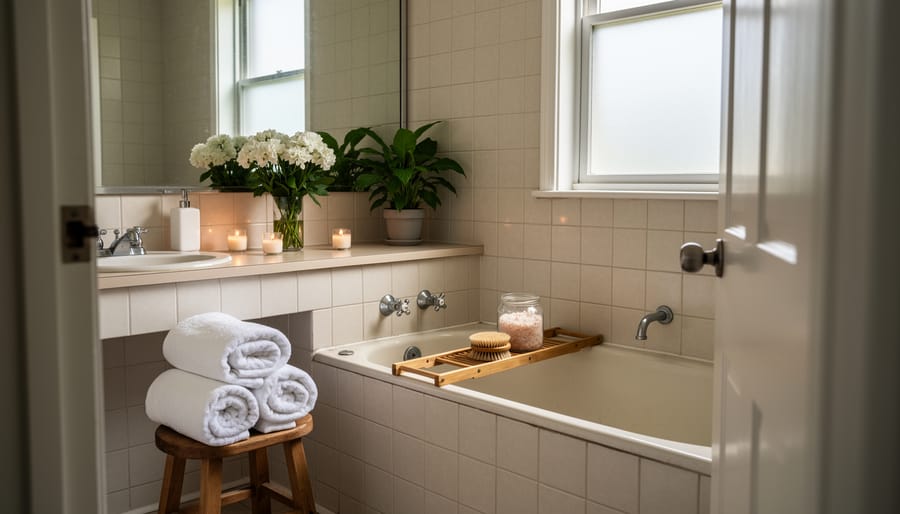
Create a spa-like atmosphere by displaying fluffy white towels neatly folded or rolled on the counter or using attractive towel organization solutions that add visual interest. White linens work universally well because they convey cleanliness and sophistication, regardless of your existing tile or fixture colors.
Remove all personal toiletries, medications, and daily clutter from view. Store items in matching containers under the sink or in cabinets. Add a small plant like a pothos or peace lily for life and freshness, and place a new bar of decorative soap by the sink.
If fixtures show wear but function properly, make them shine rather than apologize for them. Polish chrome until it gleams, replace worn caulking for crisp lines, and swap outdated shower curtains for simple white or neutral options. These minimal investments create maximum impact, proving that cleanliness and thoughtful presentation outweigh the age of fixtures in creating buyer appeal.
Living Areas That Sell the Lifestyle, Not the Condition
The magic of as-is staging lies in creating emotional connection, not perfection. Start by arranging your furniture to define clear pathways and purposeful zones within each room. Pull sofas away from walls to create intimate conversation areas, even if the carpet underneath shows wear. Position a reading chair near a window with a simple side table and affordable lamp to suggest quiet morning coffee moments.
Layer in budget-friendly comfort through texture rather than expensive purchases. Drape a neutral throw blanket over that dated couch, add a few coordinating pillows from discount stores, and suddenly the room whispers relaxation instead of renovation. These small touches cost under fifty dollars but dramatically shift perception.
Focus buyer attention on lifestyle possibilities by creating vignettes that tell stories. A small dining table set with simple white plates and a grocery store bouquet transforms a cramped eat-in kitchen into a charming breakfast nook. Place a yoga mat and water bottle in a sunny corner to suggest a home wellness routine.
Remember, you’re not hiding flaws but redirecting focus toward how spaces function and feel. When buyers envision their own routines unfolding in these thoughtfully arranged rooms, imperfect conditions fade into negotiable details rather than dealbreakers.
What to Do About Major Flaws You Can’t Hide
When you’re dealing with water stains on ceilings, visible foundation cracks, or structural issues that can’t be hidden with a fresh coat of paint, honesty becomes your most valuable staging tool. Trying to conceal major flaws often backfires during inspections, creating distrust that can derail your entire sale.
Instead, acknowledge these issues upfront and frame them strategically. If you have foundation cracks, consider getting a structural engineer’s assessment before listing. This documentation shows buyers you’ve taken the problem seriously and understand its scope. Place the report in a visible binder near the entrance during showings, demonstrating transparency rather than evasiveness.
For water damage, address the source first if possible, even if you can’t afford cosmetic repairs. A fixed leak with visible staining is far more attractive than active water infiltration. Position a note card near the damaged area explaining what caused it and confirming the issue has been resolved. This prevents buyers from imagining worst-case scenarios.
Think of major flaws as opportunities for price negotiation rather than deal-breakers. Stage around these problems by drawing attention to genuine positives in other rooms. If your basement has moisture issues, make your main living areas absolutely shine with strategic furniture placement and maximum natural light.
Consider creating a simple one-page document listing known issues alongside estimated repair costs from contractor quotes. This proactive disclosure positions you as a trustworthy seller and helps serious buyers, particularly investors or fixer-upper enthusiasts, quickly assess whether your property fits their budget and vision. Remember, the right buyer for an as-is home isn’t looking for perfection; they’re looking for honest value and potential.
Here’s an empowering truth: as-is staging isn’t about hiding flaws or deceiving potential buyers. It’s about creating visual breathing room that helps them look beyond cosmetic imperfections and connect with your home’s genuine potential. When you strategically arrange furniture, maximize natural light, and present clean, decluttered spaces, you’re simply removing the visual noise that prevents buyers from imagining their future there.
The beauty of this approach is that even modest efforts create measurable results. A weekend spent deep cleaning, neutralizing bold paint choices with inexpensive primer, and thoughtfully rearranging existing furniture can translate into thousands of dollars in your final sale price. You don’t need a designer’s budget or professional expertise to make a meaningful difference.
Start with the changes that deliver the biggest visual impact for the smallest investment. Focus your energy on the entryway, living room, and kitchen—the spaces that shape critical first impressions. Clear countertops, let sunlight flood through sparkling windows, and create inviting conversation areas with your existing furniture.
Remember, buyers aren’t expecting perfection in an as-is property. They’re looking for value, possibility, and a foundation they can build upon. Your staging efforts bridge that gap between current condition and future vision. Take that first step today, beginning with one room, and watch how these accessible improvements transform not just your space, but your confidence in the selling journey ahead.